Quick answers
How much does a home addition cost?
A home addition often costs roughly $100,000 to $300,000+, and the real number can swing a lot based on size, finish level, and where you live. That range is not a quote — it’s a starting point for planning and getting real bids from licensed, insured contractors.
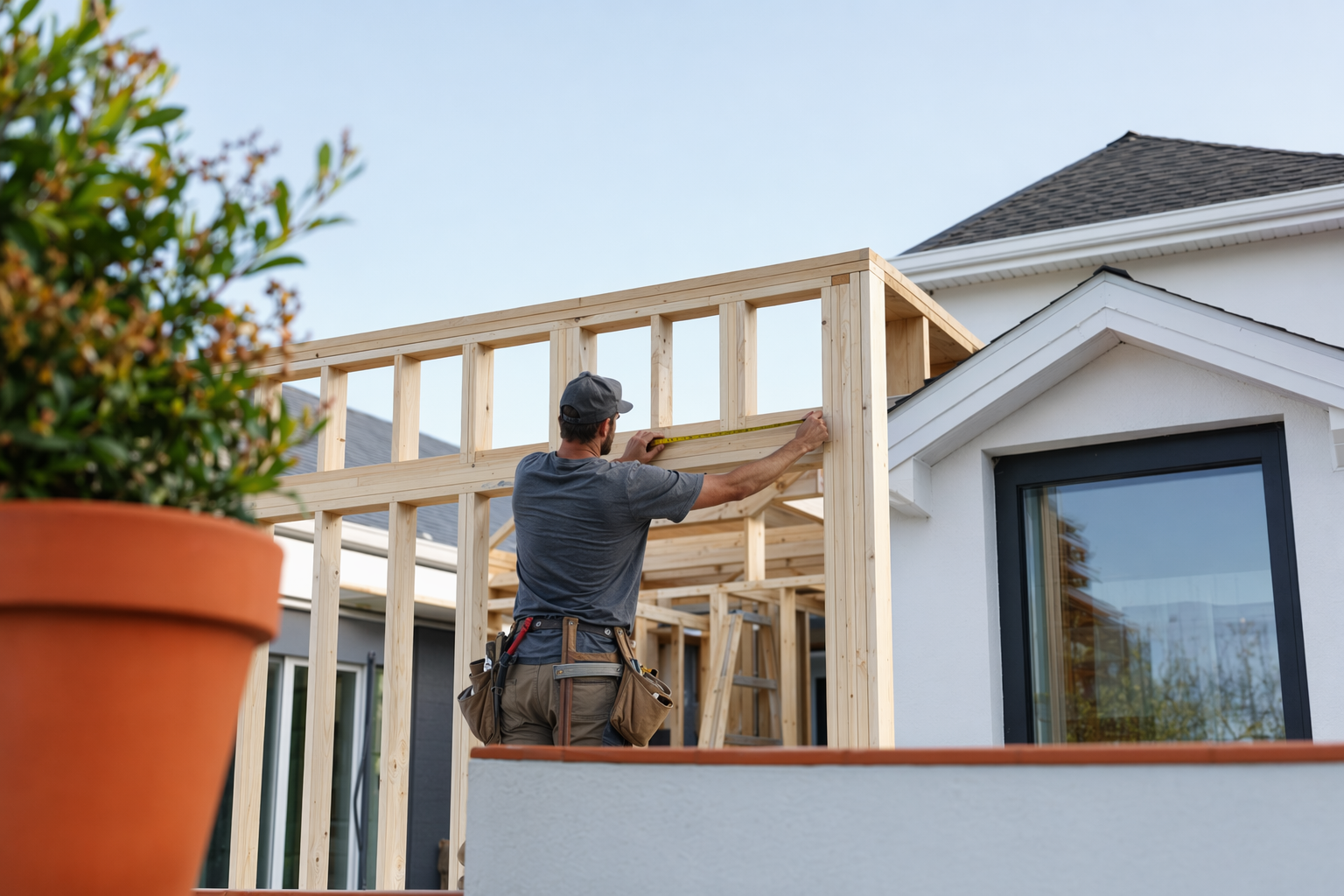
The short answer: expect a wide range
For many homeowners, a basic addition can land around $100,000 to $200,000, while larger or higher-end additions can run $200,000 to $400,000+.
The biggest drivers are square footage, whether the addition has plumbing, how much foundation and roof work is needed, and the finishes you choose. A simple bedroom bump-out is usually cheaper than a full second-story addition or a new primary suite with a bathroom.
Those numbers are general information only. They are not quotes, and they can be very different from one city to another because labor, materials, permit rules, and site conditions vary a lot.

What usually makes the price go up
A contractor’s price usually climbs when the project needs more structural work, more trades, or more finish detail. That often means:
- Foundation work or difficult site conditions
- Plumbing for a bathroom or laundry room
- Electrical upgrades or panel work
- Matching the existing roof, siding, windows, and trim
- Custom cabinets, tile, built-ins, or higher-end finishes
- Tight access to the job site or a home that makes the work harder
If your home needs design work, engineering review, or permits, that can add time and cost too. Always check with your local building department and hire a contractor who knows your city’s rules.
Common addition types and how they compare
A simple room addition or bump-out is often the least expensive kind of addition because it may not need plumbing and can use a smaller footprint.
A bathroom addition or primary suite usually costs more because wet rooms are expensive: plumbing, waterproofing, tile, ventilation, and fixtures add up fast. A kitchen addition can cost even more if you are moving plumbing, gas, electrical, or structural walls.
A second-story addition is often the most expensive because it can require major structural changes, roof removal, and more complex coordination. If you are comparing options, ask each contractor to break out the scope in writing so you can see what is driving the price.
How to keep from getting burned
The cheapest bid is not always the safest bid. Homeowners get hurt when a contractor cuts corners, leaves things out of the quote, or asks for too much money too soon.
Watch for these red flags:
- Large cash-only deposits
- No written contract
- No license or insurance
- Pressure to "sign today"
- Asking for full payment up front
- Vague answers about permits or who will do the work
A good contractor should give you a written scope, explain what is included and excluded, and be willing to show proof of license and insurance. You should verify both yourself, because that is on the homeowner.
A simple way to get real numbers
The smartest next step is to collect a few written quotes for the same basic scope. Keep the project description simple and clear: what room you want, how big it is, where it goes, your city/ZIP, your timeline, and your preferred language.
Keystone Reno is a FREE matching service, not a contractor. We help connect homeowners with vetted, licensed, insured remodeling contractors near them, but we do not do the work ourselves.
Use the quotes to compare scope, not just price. Hold the final payment until the work is finished and you are satisfied, and make sure every change is written down.
If you are just starting, here is the order that helps
- Decide what you need the addition to do: bedroom, bathroom, office, family room, or suite.
- Set a rough budget range, knowing the final number depends on scope, materials, home, city, and contractor.
- Check permit basics with your local building department.
- Get multiple written quotes from licensed, insured contractors.
- Compare what each bid includes before you choose.
If you want help getting started, you can read more in our cost guides, browse remodeling guides, or get matched with local pros after you share your contact and project details only.
A home addition usually costs a lot more than people expect, so get written bids from licensed, insured contractors and compare the scope carefully before you hire anyone.
Common questions
How much does a small home addition cost?
A small addition can still land around $100,000 or more, depending on whether it needs plumbing, foundation work, or structural changes. Small does not always mean cheap, especially if the project is hard to build or needs permits.
Is a bathroom addition more expensive than a bedroom addition?
Usually yes, because bathrooms need plumbing, waterproofing, ventilation, and finish work that simple rooms do not. The exact gap depends on the home and the city.
Does Keystone Reno build the addition?
No. Keystone Reno is a free matching service, not a contractor, remodeler, builder, or design firm. We connect homeowners with vetted, licensed, insured contractors, and you stay in control of who you hire.
What should I ask contractors before hiring them?
Ask for a written scope, proof of license and insurance, what permits are needed, what is included and excluded, and when payments are due. Then verify the license and insurance yourself before signing.