Projects
Bathroom remodeling — what to expect
A bathroom remodel often costs about $8,000 to $35,000+, and the biggest price drivers are whether you move plumbing and how expensive your tile, shower, and fixtures are. Small room, big money — so the contractor and scope matter more than most people expect.
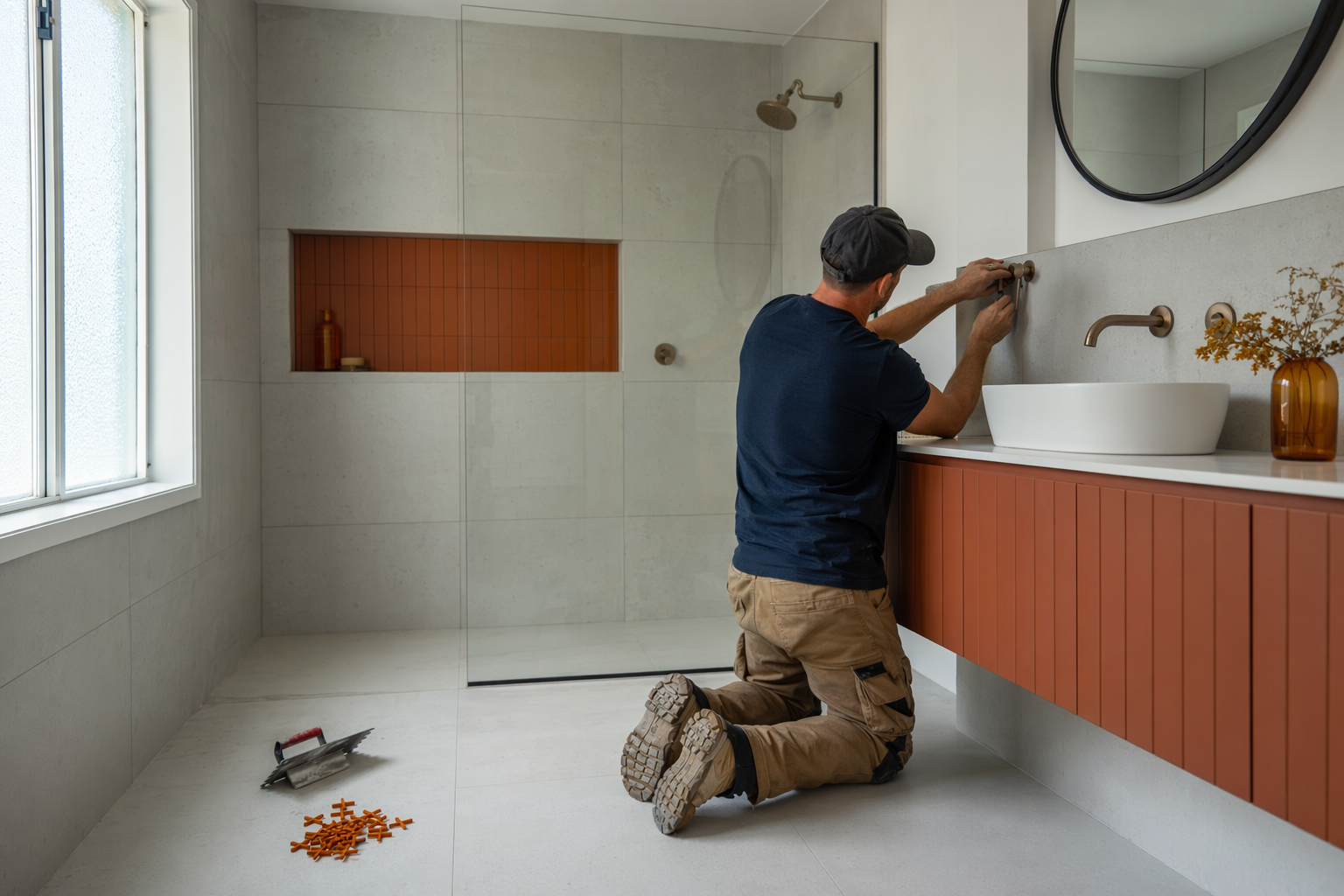
What a bathroom remodel really costs
For many homeowners, a basic bathroom refresh lands around $8,000 to $15,000. A more complete remodel is often $15,000 to $35,000. A larger primary bath, high-end finishes, custom tile work, layout changes, or older-home repairs can push the total above $35,000.
Those are general ranges, not quotes. The real number depends on the size of the bathroom, the age of the home, your city, permit needs, materials, hidden damage, and the contractor you hire.
The two decisions that usually change the budget most are simple:
1. Are you keeping the toilet, shower, and sink in the same place?
2. Are you choosing standard materials, or premium tile, glass, stone, and custom features?
Keeping the layout the same usually saves money. Moving plumbing, changing walls, expanding the room, or building a curbless shower usually costs more and can add permit and inspection steps. If you want a broader sense of pricing across projects, see remodel costs.
- Lowest-cost path: keep the layout and choose mid-range finishes
- Highest-cost path: move plumbing, use custom tile, fix hidden damage

What is included in a bathroom remodel
A bathroom remodel can mean very different things. Sometimes it is mostly cosmetic: new vanity, toilet, lighting, paint, mirror, floor, and fixtures. Other times it means taking the room down to the studs and rebuilding the shower, waterproofing, electrical, ventilation, and finishes.
A full bathroom remodel may include demolition, framing changes, plumbing updates, electrical work, waterproofing, tub or shower installation, tile, vanity, countertop, sink, toilet, lighting, exhaust fan, paint, trim, and final punch-list items.
Good contractors help you separate must-haves from nice-to-haves before work starts. That matters because bathrooms are small, but they involve many trades in one room. Small changes on paper can become expensive once tile, waterproofing, and plumbing are involved.
Keystone Reno is a free matching service, not a contractor or design firm. We do not perform the work. We help homeowners connect with licensed, insured remodeling contractors near them so they can compare options and choose who to hire.
How the process usually works, stage by stage
A bathroom project usually starts with planning, measurements, and decisions about layout, shower or tub, storage, tile, lighting, and ventilation. Then the contractor gives a written scope of work and pricing. If permits are required, that should be discussed before demolition starts. Rules vary by city and state, so always check local requirements and rely on licensed pros and your local building department.
Once work begins, the usual order is demolition first, then any framing, plumbing, electrical, and ventilation updates. After that comes inspections when required, then waterproofing, backer board, tile, painting, vanity and fixture installation, trim, and final cleanup.
Bathrooms often feel like they should move fast because the room is small. But the project can slow down because different trades need to come in at the right time, tile and waterproofing need proper drying time, and special-order items can delay the schedule.
Before you sign anything, ask for a written contract that clearly lists what is included, what is not included, who pulls permits if needed, the payment schedule, estimated timeline, and how change orders will be handled.
Common surprises that raise the price
The most common budget surprise is hidden water damage. Once old tile, flooring, or a tub surround comes out, a contractor may find rotten subfloor, mold issues, old plumbing, or wall damage that was not visible before demolition. Older homes can also have outdated wiring or plumbing that needs attention.
Another big surprise is finish cost. Many homeowners budget for labor but underestimate what tile, shower glass, faucets, vanities, and specialty fixtures cost. A tile choice that looks small in the showroom can change labor and material cost quickly, especially with large-format tile, niches, benches, accent walls, or detailed patterns.
Bathrooms can also run into code or permit-related issues, especially when moving plumbing, adding lights, replacing ventilation, or changing walls. Local rules vary, and a licensed contractor should explain what may be required in your area. This page is general information only, not construction, engineering, legal, or financial advice.
A smart way to protect yourself is to leave room in your budget for the unexpected and compare detailed written quotes instead of comparing one low number against one higher number with no explanation.
How long a bathroom remodel takes
A simple bathroom refresh may take around 1 to 3 weeks once work starts. A fuller remodel often takes 3 to 6 weeks. Larger, more customized, or older-home projects can take longer, especially if permits, inspections, material delays, or hidden damage show up.
The timeline depends on scope, materials, contractor scheduling, and your city. A bathroom that needs layout changes, custom glass, special-order tile, or major plumbing work will usually take longer than a project that keeps the same footprint and uses in-stock materials.
Ask contractors for a realistic timeline, not a best-case timeline. It is better to hear an honest range than a promise that sounds great and falls apart once the work begins. No contractor should promise there will be zero surprises inside walls or under floors.
If this is your only full bathroom, ask early about how the household will manage during construction. That practical question matters just as much as tile color.
How to find a bathroom remodeler you can trust
The safest path is to talk with licensed, insured contractors who do bathroom remodeling regularly, then compare written quotes line by line. Always verify the contractor's license and insurance yourself. Do not rely only on a business card, website, or verbal promise.
Watch for clear red flags:
- large cash-only deposits
- no written contract
- no license
- pressure to "sign today"
- asking for full payment up front
A solid contractor usually gives a detailed scope, explains what may happen if hidden damage is found, communicates about permits and inspections, and does not rush you into signing. The homeowner stays in control: you compare quotes, choose who to hire, and hold final payment until the work is done and you are satisfied.
If you want help finding local pros, get matched with Keystone Reno. Our service is free for homeowners. We collect contact and project details only — such as your name, phone, email, project type, city or ZIP, timeline, and preferred language — so you can connect with contractors and compare your options. You can also read how to vet a contractor or browse other remodeling projects.
Bathroom remodels can get expensive fast, so keep the layout simple when you can, get detailed written quotes, and only hire licensed, insured contractors you verify yourself.
Common questions
How much should I budget for a bathroom remodel?
A lot of bathrooms fall somewhere around $8,000 to $35,000+, depending on size, layout changes, finishes, and the condition of the home. That is a general range, not a quote.
What makes a bathroom remodel expensive?
Moving plumbing, custom tile work, luxury fixtures, glass enclosures, and hidden water damage are common cost drivers. Older homes can also need electrical, plumbing, or subfloor repairs once demolition starts.
Is it cheaper to keep the bathroom layout the same?
Usually, yes. Keeping the toilet, sink, and shower or tub in the same place often lowers labor and plumbing costs.
How long does a bathroom remodel usually take?
A simple refresh may take 1 to 3 weeks, while a fuller remodel often takes 3 to 6 weeks or more. The real timeline depends on scope, permits, inspections, materials, and the home itself.
Do I need permits for a bathroom remodel?
Sometimes. Permit rules vary by city and state, and they often depend on the kind of plumbing, electrical, ventilation, or structural changes involved. Ask a licensed contractor and check with your local building department.
How do I avoid getting burned by a bad contractor?
Hire licensed, insured contractors and verify that yourself. Get a written contract, compare detailed written quotes, avoid large cash-only deposits, and never pay the full amount up front.