Projects
Whole-home remodeling — the big picture
A whole-home remodel is one of the biggest projects a homeowner can take on. In many US markets, a full-house remodel can land anywhere from about $100,000 to $400,000+, and the two decisions that matter most are scope and whether you stay or move out.

What a whole-home remodel really costs
For a true whole-home remodel, many homeowners see rough starting ranges around $100,000 to $400,000+, with larger, older, high-cost-city, or high-end projects going well beyond that. A light cosmetic update across a house may fall lower, while moving walls, updating kitchens and baths, replacing old systems, or reworking layouts pushes the number up fast.
The biggest cost drivers are simple: how much of the house you touch, how much layout change you make, the age and condition of the home, the level of finishes, and labor costs in your city. If your home needs electrical, plumbing, HVAC, insulation, windows, roofing, or foundation-related work discovered along the way, the budget can climb quickly.
These are general ranges, not quotes. The real number depends on scope, materials, the home, the city, and the contractor. If you are still comparing options, our costs hub can help you think through budget ranges before you talk with contractors.

The two decisions that change everything
First: are you doing a true full-house renovation, or a phased remodel? A full push may finish faster overall, but it usually costs more at once and can be harder to live through. A phased plan can spread out spending, but it can also add repeat labor, repeat setup costs, and more months of disruption.
Second: will you live in the house during the work, or move out? If the project touches the kitchen, multiple bathrooms, flooring throughout, major wiring, or dust-heavy demolition, moving out is often easier if your budget allows it. Living in place can save temporary housing costs, but it can drag on your daily life and sometimes slow the job.
A good contractor will talk through both choices honestly instead of pushing the biggest possible job. If you want help getting connected with pros who handle larger remodels, get matched is free for homeowners. Keystone Reno is a free matching service, not a contractor, and we do not perform remodeling work.
What the process looks like, stage by stage
Most whole-home remodels follow the same basic path, even if every house is different.
- Define the scope. Decide what is a must-do now, what is nice to have, and what can wait. This is the moment that protects your budget more than anything else.
- Set a realistic budget range. Include a cushion for surprises, especially in older homes. Hidden damage is common once walls and floors open up.
- Get plans, measurements, and contractor input. Some projects need design work before pricing gets accurate.
- Compare written quotes carefully. Make sure each quote covers the same scope so you are comparing apples to apples.
- Finalize materials early. Delays often come from cabinets, tile, windows, fixtures, or special-order items.
- Permits and scheduling. Permit rules vary by city and state, and your contractor should explain what applies.
- Demolition, rough work, inspections, then finishes. Behind-the-wall work usually happens before drywall, flooring, paint, cabinets, and trim.
- Final punch list and closeout. Walk the house, write down incomplete items, and hold final payment until the work is done and you are satisfied.
This is general information only. For code, permit, structural, engineering, or trade-specific questions, always rely on licensed contractors, local code requirements, and your local building department.
Common surprises that blow up budgets
Older homes especially can hide expensive problems. Once demolition starts, contractors may find outdated wiring, old plumbing, water damage, mold, rot, uneven framing, poor past repairs, or insulation gaps. That does not mean every house is a disaster. It means you should expect some unknowns if the home has age on it.
Layout changes are another big budget jump. Keeping kitchens, bathrooms, and laundry in the same general place usually costs less than moving plumbing, gas, or major electrical runs. Custom work, premium finishes, and last-minute changes also add cost fast.
One more surprise: homeowners often focus on the pretty parts and forget the house systems. New tile looks great, but if your panel is outdated or your plumbing is failing, those items may deserve budget priority first. A good contractor will explain this clearly, not hide it until late in the job.
- Old homes often reveal issues only after demolition starts
- Moving walls or plumbing usually costs much more than updating finishes in place
- Change orders during construction are a common reason budgets grow
How long it usually takes
A whole-home remodel usually takes months, not weeks. A lighter full-house update may run around 3 to 6 months, while a larger remodel with layout changes, permits, or major system updates can take 6 to 12 months or longer. Special-order materials, inspection timing, weather, and change orders can all stretch the schedule.
The best way to protect the timeline is to make fewer changes after work starts, choose materials early, and hire a contractor with real experience managing larger jobs. Even then, no honest contractor should guarantee a perfect timeline. Too many moving parts affect the schedule.
If you are interviewing companies, ask who will run the job day to day, how often you will get updates, and how they handle delays. That matters as much as the start date.
How to find the right contractor for a whole-house job
Whole-home remodeling is not the place to gamble on the cheapest bid. You want a licensed, insured contractor with experience coordinating multiple trades, permits, schedules, and finish details across an entire house. Always verify the license and insurance yourself. Do not just take a business card or website at face value.
Watch for clear red flags: large cash-only deposits, no written contract, no license, pressure to sign today, or asking for full payment up front. A professional contractor should provide a written scope, payment schedule, start process, and change-order process. You should compare written quotes, choose who to hire, and keep control of the final payment until the work is complete and you are satisfied.
If you want help narrowing the search, read our guide on how to vet a contractor. You can also browse projects or use get matched to connect with vetted local contractors. Keystone Reno is a free matching service for homeowners. We only collect contact and project intent details like your name, phone, email, project type, city or ZIP, timeline, and preferred language.
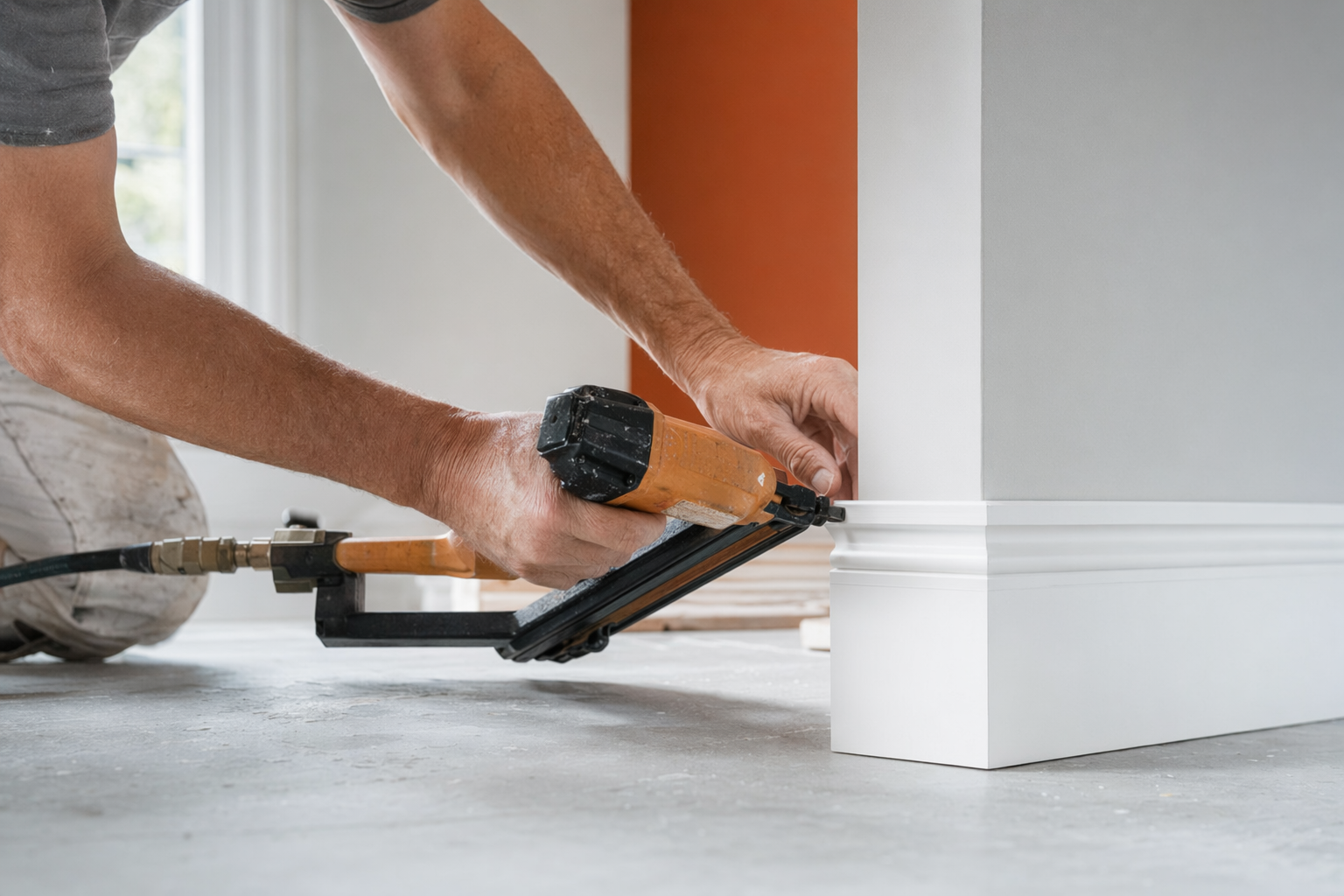
A whole-home remodel can cost a lot, take months, and uncover surprises, so the smartest move is to define your scope early and hire a licensed, insured contractor you have verified yourself.
Common questions
Is it cheaper to remodel a whole house at once or in phases?
It depends. Doing everything at once can be more efficient and may reduce repeat labor, but it requires a bigger budget up front. Phasing can spread out costs, but it may add time, inconvenience, and duplicate setup work.
Can I live in my house during a whole-home remodel?
Sometimes, yes, but it depends on the scope. If the work affects the kitchen, multiple bathrooms, major electrical or plumbing, or flooring throughout, living there can be stressful and may slow the job.
What is the biggest mistake homeowners make on full-house remodels?
Starting without a clear scope is a big one. The more vague the plan, the easier it is for costs, delays, and frustration to grow.
Do whole-home remodels need permits?
Many do, especially if you are changing electrical, plumbing, mechanical systems, or layout. Permit and inspection rules vary by city and state, so check with your contractor and local building department.
How many quotes should I get?
Many homeowners get at least 2 to 3 written quotes. Make sure each contractor is pricing the same scope, or the numbers will not be useful to compare.
Does Keystone Reno do the remodeling work?
No. Keystone Reno is a free matching service, not a contractor, builder, or design firm. We help homeowners connect with licensed, insured remodeling contractors near them.