Projects
Decks, patios and outdoor living
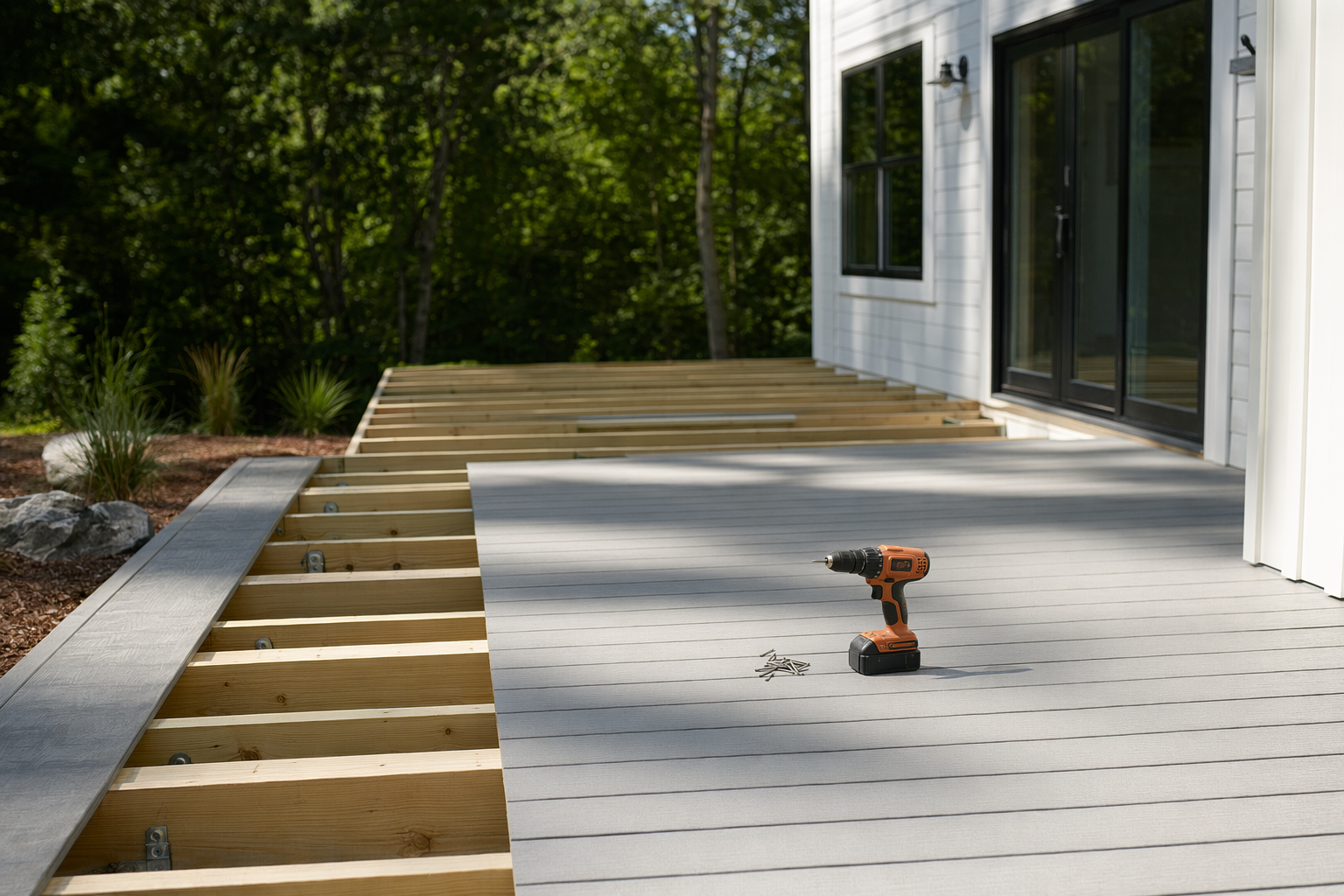
Most outdoor projects cost more than people expect. A basic patio may start around $5,000 to $15,000, while a deck, covered patio, or full outdoor kitchen can run $15,000 to $80,000+ depending on size, materials, utilities, and your city.
What outdoor living projects usually cost
The two biggest cost drivers are simple: what you are building, and whether you need utilities or a roof. A small ground-level patio is a very different job from a second-story deck, a covered structure, or an outdoor kitchen with gas, water, drainage, and electrical.
Honest ballpark ranges in many US markets look like this:
1. Simple concrete or paver patio: about $5,000 to $15,000+
2. Basic wood or composite deck: about $10,000 to $30,000+
3. Larger deck with stairs, railings, lighting, or multiple levels: about $20,000 to $50,000+
4. Covered patio or pergola project: about $15,000 to $50,000+
5. Outdoor kitchen or full outdoor living area: about $20,000 to $80,000+
Those are general ranges, not quotes. The real price depends on size, materials, slope of the yard, access to the backyard, local labor costs, permit rules, and the condition of the home and site. In some cities and high-cost areas, prices can go well above these numbers.
If you are early in planning, it helps to decide whether your priority is seating space, shade, cooking, or year-round use. That one decision changes the budget fast.

What counts as an outdoor living project
This category covers more than just a deck. Homeowners often bundle several outdoor upgrades into one job, especially when they want the new space to feel like part of the home.
Common projects include:
- Decks in wood or composite
- Concrete, stone, or paver patios
- Covered patios, porches, pergolas, and shade structures
- Outdoor kitchens, built-in grills, bars, and prep areas
- Fire pits and fireplaces
- Outdoor lighting, fans, and sound systems
- Seating walls, steps, drainage work, and basic landscaping around the project
The expensive surprise for many homeowners is not the surface itself. It is the "extra" work around it: grading, drainage, footings, stairs, railings, permits, electrical, gas lines, water lines, demolition, and repairs to old structures.
That is one reason written quotes matter so much. You want to see exactly what is included and what is not.
How the process usually works
Most outdoor living jobs follow the same broad stages, even though the details vary by city and contractor. Codes, permit rules, and inspections can be very different from one place to another, so always confirm the local requirements with a licensed contractor and your local building department.
- Planning and budget. You decide how you want to use the space, your rough budget, and whether you want a simple build or something with utilities, shade, and built-ins.
- Site visit and measurements. A contractor looks at slope, drainage, access, setbacks, existing concrete or structures, and how close the project is to the house or property lines.
- Design and materials. You choose the layout, surface materials, railing style, roof or pergola options, and any appliances or lighting.
- Permits and approvals. Many deck, covered patio, structural, electrical, and gas projects need permits. Rules vary by city and state.
- Demolition and prep. Old deck removal, excavation, leveling, grading, drainage, and base prep happen here.
- Build phase. This may include framing, concrete, pavers, roofing, electrical, gas, plumbing, finish materials, and cleanup.
- Final walkthrough. You review the work, ask questions, and compare the finished result to the written contract before making final payment.
Keystone Reno is not a contractor and does not perform the work. We are a free matching service that helps homeowners connect with vetted, licensed, insured remodeling contractors near them through get matched.
Common surprises that raise the price
Outdoor projects can look simple from the street and still become complicated once work starts. The site conditions matter a lot.
The most common budget surprises are poor drainage, uneven yards, difficult backyard access, hidden old footings or concrete, permit requirements, and utility runs that are longer than expected. Outdoor kitchens can also get expensive when homeowners add refrigeration, sinks, stone veneer, custom cabinets, or high-end appliances.
Material choice makes a big difference too. Pressure-treated wood, composite boards, natural stone, stamped concrete, porcelain pavers, aluminum railings, and covered structures all come with different price levels and maintenance needs.
A good contractor should walk you through likely risk areas before work begins, not after. Ask what could change the price, what allowances are in the quote, and what would trigger a change order.
How long it usually takes
A basic patio may take days, while a larger deck, covered structure, or outdoor kitchen can take several weeks. If permits, inspections, special-order materials, or bad weather are involved, the timeline can stretch further.
Very general timing looks like this:
1. Small patio or simple surface project: often about a few days to 2 weeks
2. Basic deck: often about 1 to 3 weeks
3. Covered patio, larger deck, or multi-part outdoor space: often about 3 to 8 weeks or more
4. Outdoor kitchen with utilities: often several weeks to a few months including planning and inspections
These are not guarantees. The actual timeline depends on scope, weather, inspections, material lead times, and the contractor's schedule. Get the timeline in writing, but expect some movement on outdoor work.
How to find a good contractor and avoid getting burned
For outdoor work, the right contractor matters as much as the design. Hire licensed, insured professionals when your local area requires it, and always verify the license and insurance yourself. Ask who is pulling permits, who is doing the structural work, and whether electrical, gas, or plumbing subs are also properly licensed where required.
Big red flags are easy to name:
- Large cash-only deposits
- No written contract
- No license when one is required
- Pressure to "sign today"
- Asking for full payment up front
A good process is to compare a few written quotes, not just one. Make sure each quote lists materials, dimensions, what prep work is included, what permits are included, cleanup, and payment schedule. Hold final payment until the work is done and you are satisfied.
If you want help getting started, you can explore project types, read more cost guides, or see our guide on how to vet a contractor. Keystone Reno is a free matching service for homeowners. We only collect basic contact and project details like your name, phone, email, project type, city or ZIP, timeline, and preferred language.
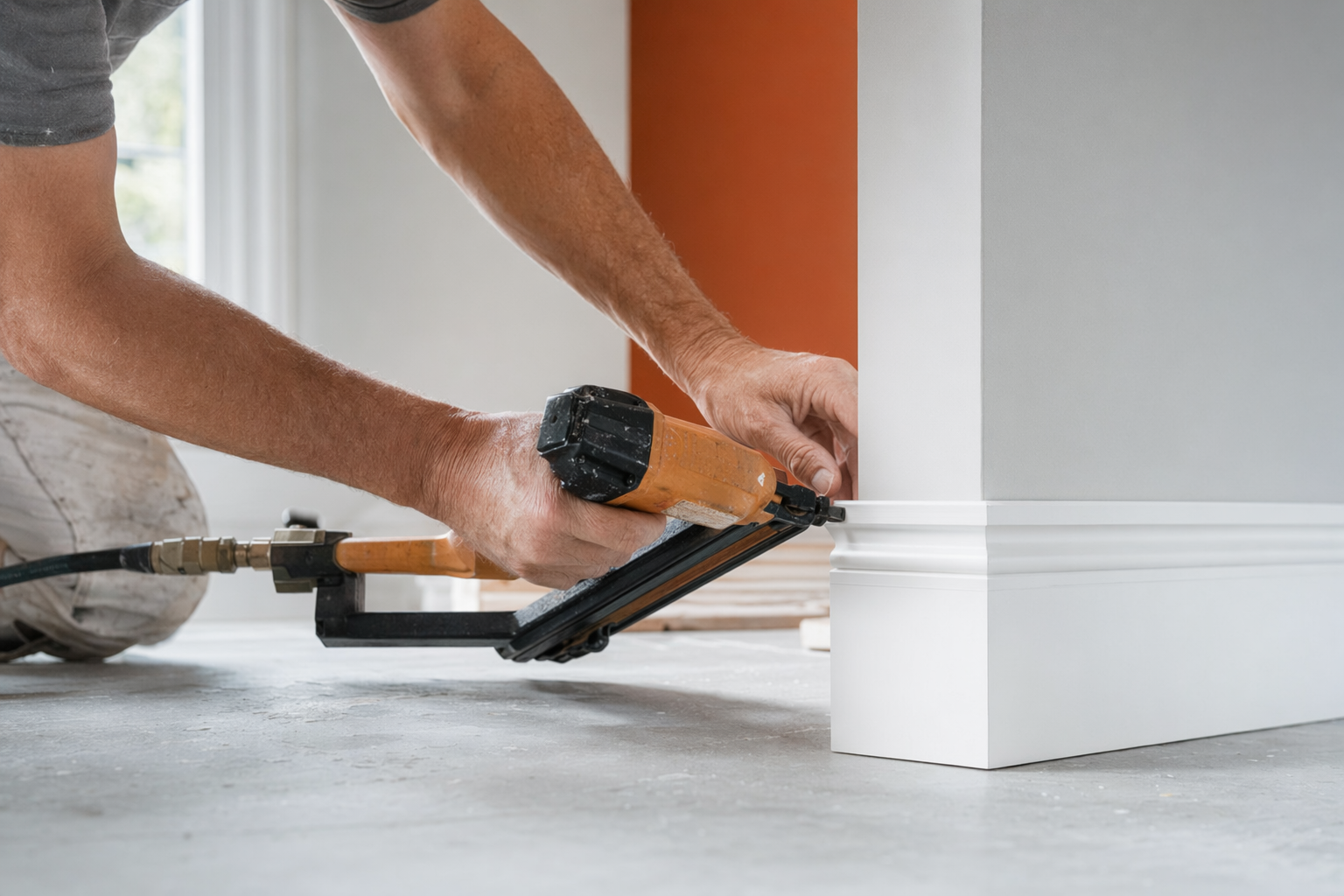
Outdoor projects can range from a modest patio to a very expensive full backyard build, so get clear on your priorities, compare written quotes, and only hire licensed, insured pros you verify yourself.
Common questions
How much does it cost to build a deck or patio?
A simple patio may cost around $5,000 to $15,000+, while many decks land around $10,000 to $30,000+ and more complex outdoor living projects can run much higher. The real number depends on size, materials, structure, utilities, site conditions, your city, and the contractor.
Is composite decking worth the extra money?
For many homeowners, yes, if lower maintenance matters more than the lowest upfront price. But it usually costs more than basic wood, so it depends on your budget, climate, and how long you plan to stay in the home.
Do I need a permit for a deck, patio, or covered porch?
Often yes for decks, covered structures, and projects involving structural work, electrical, gas, or plumbing. Rules vary by city and state, so confirm with a licensed contractor and your local building department.
What adds the most cost to an outdoor living project?
Roofs or covers, stairs and railings, outdoor kitchens, and utility work usually drive the budget up the fastest. Drainage fixes, grading, and difficult access can also add a lot.
How do I know if a contractor is legit?
Ask for a license number if your area requires one, proof of insurance, a written scope of work, and a payment schedule. Then verify the license and insurance yourself before signing anything.
Can Keystone Reno build my deck or patio?
No. Keystone Reno is not a contractor or builder. We are a free matching service that helps homeowners connect with vetted, licensed, insured remodeling contractors near them.