How a remodel works
Demolition and site prep
Demolition and site prep usually cost more and take longer than homeowners expect because this is where hidden problems show up. Done well, this stage protects the rest of your home, keeps the job safer, and sets up everything that comes after.

What demolition and site prep actually include
Demo is not just swinging a hammer and filling a dumpster. In a remodel, this stage usually means removing old cabinets, flooring, drywall, fixtures, trim, or non-structural materials, then getting the space clean, protected, and ready for the next trade.
Site prep often includes covering floors, sealing doors and vents, setting up dust barriers, protecting nearby rooms, planning debris removal, and making safe paths for workers to enter and exit. In many homes, especially older ones, this is also when hidden water damage, mold, rot, outdated wiring, or plumbing problems are first discovered.
That is why this stage matters so much: if demo is rushed or sloppy, the whole project can get messier, less safe, and more expensive later.
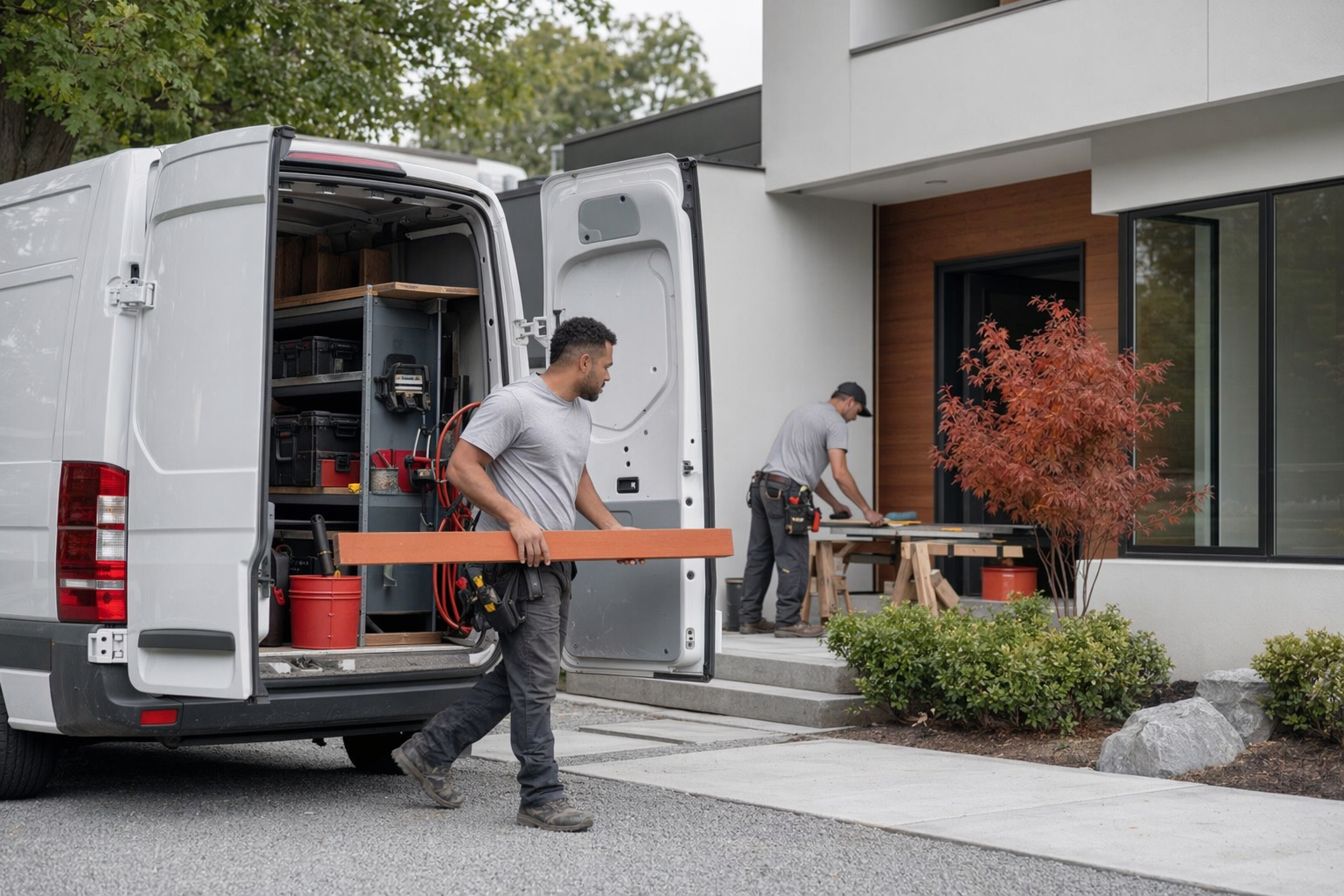
Why this stage affects cost and timeline so much
A small, straightforward demo can be fairly quick. But once walls, floors, or ceilings are opened, surprises can change the plan. That is normal in remodeling. The real cost depends on scope, materials, the age of the home, the city, permit rules, disposal fees, and the contractor. These ranges are general information only, not quotes.
As a rough guide, interior demolition and site prep for a smaller bathroom or kitchen remodel might run about $1,500 to $6,000. For larger kitchens, multiple rooms, basements, or whole-home remodels, demo and prep can easily reach $5,000 to $20,000 or more, especially if there is a lot of debris, tight access, heavy material removal, or problem conditions that need to be addressed.
Costs usually go up when the home is older, disposal is harder, protection needs are stricter, or damage is uncovered behind finishes. Timelines also stretch when permit inspections, repair work, or additional cleanup are needed. If you are early in planning, our costs and projects guides can help you understand the bigger picture.
What a good contractor does differently
A good remodeling contractor treats demo like careful work, not cheap work. They explain what is being removed, what is staying, how they will protect the rest of the home, how debris will be hauled away, and what happens if hidden issues are found. They also tell you plainly that opening walls can reveal surprises.
They should use a written scope, discuss dust control, protect finished areas, and keep the site reasonably organized. They should also explain whether permits or inspections may be needed based on the project and your local rules. Codes and permit requirements vary by city and state, so always confirm with your licensed contractor and local building department.
Most important, hire licensed, insured contractors and verify the license and insurance yourself. Keystone Reno is a free matching service, not a contractor, builder, or design firm. We do not perform the work. We help homeowners compare options through our service and get matched with local contractors.
Dust, debris, and protecting the rest of your home
This is the part many homeowners underestimate. Demo creates dust fast, and it travels farther than people think. A good prep plan protects nearby rooms, floors, furniture, hallways, and HVAC areas as much as possible. It also includes a plan for debris removal so trash does not pile up inside your home longer than necessary.
Ask how the crew will isolate the work area, how they will handle daily cleanup, where materials and tools will be stored, and how they will reduce damage to parts of the home not being remodeled. If you will be living in the home during the work, ask what parts of the space will be unusable and for how long.
No contractor can promise a perfectly dust-free remodel, but they should have a clear, reasonable plan to contain the mess and protect what is staying.
Red flags to watch for before demo starts
This is a stage where homeowners can get burned if they hire the cheapest person without checking the basics. Watch for contractors who are vague about what is being removed, do not mention protection or cleanup, or act like demo is too simple to need a written plan.
Big red flags include:
- no written contract
- no license or no proof of insurance
- pressure to "sign today"
- large cash-only deposits
- asking for full payment up front
- refusing to explain how change orders will be handled if hidden damage is found
You stay in control. Compare written quotes, ask what is included in demo and prep, verify the contractor's license and insurance yourself, and hold final payment until the work is done and you are satisfied.
Questions worth asking before you hire
These questions can help you compare contractors more clearly:
- What exactly is included in demolition and site prep?
- How will you protect nearby rooms, floors, and vents?
- Who handles debris hauling and disposal fees?
- What hidden problems do you commonly find in homes like mine?
- How will you price and document change orders if surprises come up?
- Will permits or inspections be needed for this project in my city?
- How long will this stage likely take if things go normally?
- Will we be able to live in the home during this part of the job?
Clear answers now usually mean fewer arguments later. If you want help finding local pros to compare, Keystone Reno can help you get matched. Our service is free for homeowners, and we only collect contact and project details like your name, phone, email, project type, city or ZIP, timeline, and preferred language.
Demo is where hidden problems often show up, so careful prep, dust control, and a licensed, insured contractor matter more than the cheapest price.
Common questions
How much does demolition and site prep cost for a remodel?
A smaller bathroom or kitchen demo may be around $1,500 to $6,000, while larger or more complex projects can run $5,000 to $20,000 or more. These are general ranges, not quotes, and the real number depends on scope, materials, the home, the city, disposal needs, and the contractor.
Why does demo sometimes uncover expensive surprises?
Because problems are often hidden behind walls, under floors, or above ceilings. Water damage, rot, mold, old plumbing, or outdated wiring may not be visible until materials are removed.
Do I need to move out during demolition?
Not always. It depends on the size of the project, which rooms are affected, dust and noise levels, and whether important areas like kitchens or bathrooms will be unusable.
Should demolition be included in the written quote?
Yes. The quote should say what is being removed, what protections are included, who handles cleanup and hauling, and how hidden conditions or change orders will be priced.
Can Keystone Reno do the demolition work?
No. Keystone Reno is not a contractor and does not perform remodeling work. We are a free matching service that helps homeowners connect with vetted local contractors.
What information do I need to share to get matched?
Just basic contact and project intent details: name, phone, email, project type, city or ZIP, timeline, and preferred language. We do not ask for financial account numbers, Social Security numbers, or sensitive personal records.