How a remodel works
Design-build vs hiring separately
A design-build company handles both design and construction in one team. That can make a remodel simpler, but it is not always the best fit — the right choice depends on your project, budget, and how much control you want.
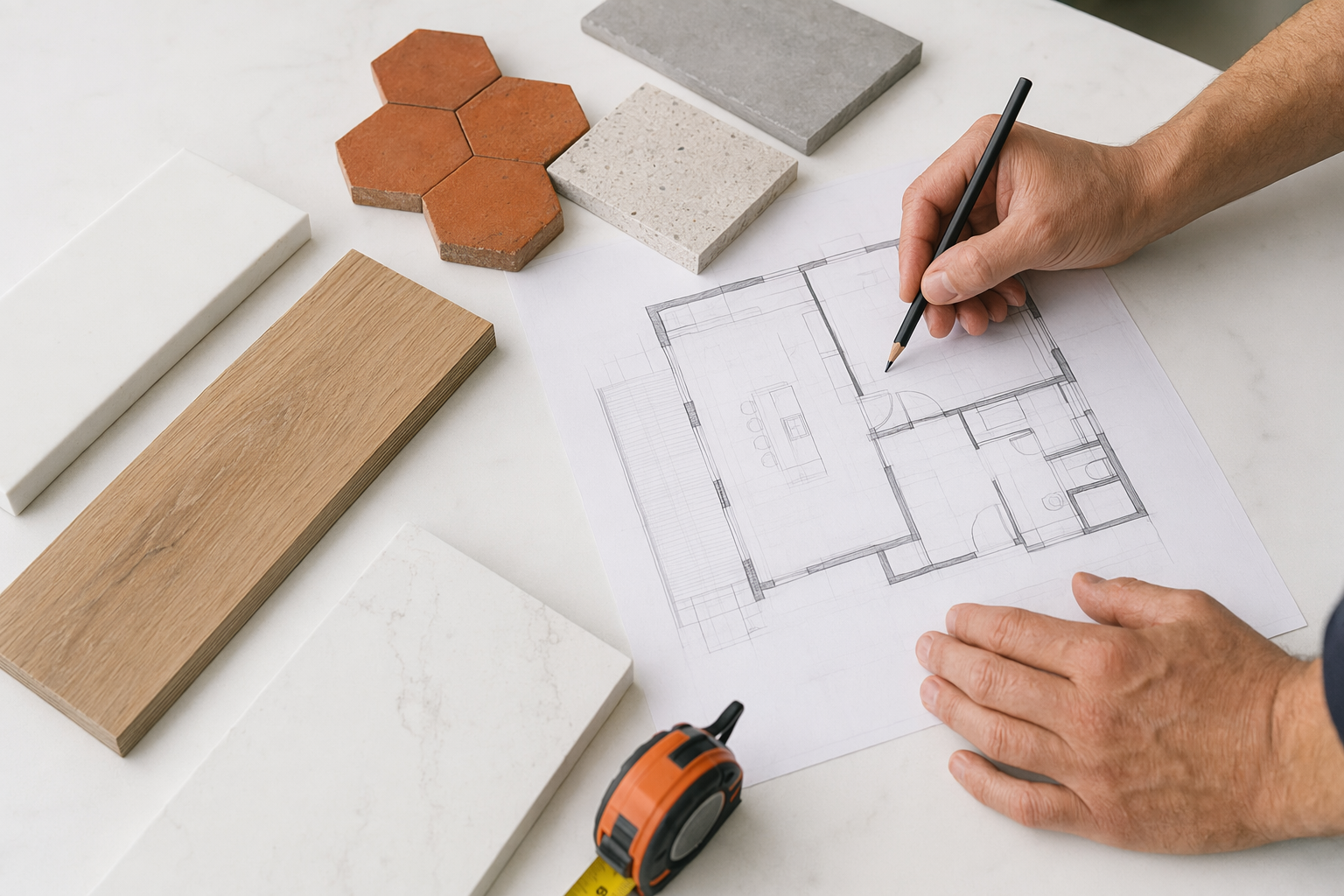
What design-build means
In a design-build remodel, one company takes care of the design side and the construction side under one roof. That usually means planning the layout, helping choose materials, pricing the work, pulling together the schedule, and then building the project.
If you hire separately, you usually work with a designer or architect first, then bid the plans out to one or more remodeling contractors. That gives you more separation between design and build, but it can also mean more handoffs, more meetings, and more chances for miscommunication.
Neither path is automatically better. Design-build often works well for kitchens, bathrooms, additions, basements, and whole-home remodels where design choices and construction costs affect each other every week. Hiring separately can make sense if you want highly customized design, want to bid the same plans to multiple contractors, or already have a designer you trust.

Why this decision matters
This choice affects cost, timeline, and stress level more than many homeowners realize. The big advantage of design-build is coordination: the people drawing the project and the people pricing and building it are talking from the start. That can reduce surprises, especially when an older home has hidden issues.
The big risk is simpler too: if one company controls both design and construction, you need to be extra careful about comparing scope, materials, and contract terms. You do not want to assume "full service" means every detail is included. It often does not.
For many homeowners, the one decision that matters most is this: do you want one team responsible for the whole process, or do you want separate professionals so you can compare more independently? There is no perfect answer, but you should choose on purpose, not by accident.
Typical cost differences
There is no universal cheaper option. For a midrange remodel, design-build pricing may feel higher at first because design, planning, project management, and construction are bundled together. But hiring separately can also cost more if the plans are very detailed, if you pay for several rounds of redesign, or if change orders pile up during construction.
As a very general range, homeowners often spend roughly 5% to 20% of the construction budget on design and planning when those services are separate, sometimes more for complex additions or major whole-home work. In design-build, those costs may be folded into the total project price instead of listed on their own. These are not quotes. The real number depends on scope, materials, the home, the city, permit requirements, and the contractor.
What raises cost:
- Structural changes, moving plumbing or electrical, and opening walls in older homes
- Custom cabinets, tile, windows, and specialty finishes
- Additions, major layout changes, and high-end design work
- City permit requirements, inspections, and long lead-time materials
What can help control cost:
- A clear scope before construction starts
- Fewer layout changes after work begins
- Standard-size materials and less custom fabrication
- Comparing detailed written quotes, not just the bottom-line number
If you want a rough starting point for project budgets, see remodel cost guides. Just remember that online ranges are planning tools, not promises.
What a good design-build contractor does differently
A good design-build contractor explains the process in plain language before asking you to commit. They tell you who handles design, who manages the build, what is included, what is not included, when selections must be made, and how changes are priced.
They also give you a written scope that is specific. Not "bathroom remodel" but details like demolition, waterproofing, tile areas, plumbing fixture allowances, lighting, ventilation, paint, cleanup, and permit responsibility. Good contractors know confusion early becomes expensive later.
They should be licensed and insured where required, and you should verify that yourself with your state or local licensing authority and by checking insurance documentation. A good contractor welcomes that. They should also explain that code and permit rules vary by city and state and that final requirements come from the local building department.
You should expect:
1. A clear design process with meetings, drawings, and material selections
2. A realistic budget discussion early, with honest tradeoffs
3. A written contract spelling out scope, payment schedule, and change-order process
4. A project schedule with milestones, while acknowledging delays can happen
5. Regular communication during the build, especially when hidden conditions are found
Red flags and common problems
The biggest problems usually come from vague paperwork, not from the idea of design-build itself. If you are not sure what is included, you are not ready to sign.
Watch for these red flags:
- Large cash-only deposits
- No written contract
- No license or no proof of insurance
- Pressure to "sign today"
- Asking for full payment up front
- Refusing to explain allowances, exclusions, or who pulls permits
- Promising a perfect timeline or unusually low price without clear details
Another common issue is design drift. A homeowner starts with one budget, then keeps upgrading finishes or changing the layout after plans are underway. That happens with both design-build and separate-hire projects. The fix is boring but important: make decisions early, get them in writing, and understand how changes affect cost and schedule.
The homeowner stays in control. Compare written quotes, ask what is included and excluded, choose who to hire, and hold final payment until the work is done and you are satisfied under the contract terms.
How to choose between design-build and separate hiring
Design-build is often a strong fit if you want one point of contact, your project has many moving parts, or you do not want to manage the handoff between design and construction. It can be especially helpful for busy households, first-time remodelers, and projects where layout, budget, and buildability need to be balanced together.
Hiring separately may fit better if you want a very independent design process first, want to shop completed plans to several contractors, or have a complex project where you prefer separate checks and balances. Some homeowners simply feel more comfortable when design and construction are not in the same company.
A practical way to decide is to interview both types. Ask how they handle budgeting during design, how many revisions are typical, who owns the plans, what happens if pricing comes in over budget, and who will actually manage the build day to day.
Keystone Reno is a free matching service, not a contractor or design firm. We do not perform remodeling work. We help homeowners connect with vetted, licensed, insured remodeling contractors near them for projects like those in our project guides and service hub. If you want to compare options, you can get matched for free. We only collect basic contact and project intent details like name, phone, email, project type, city or ZIP, timeline, and preferred language.
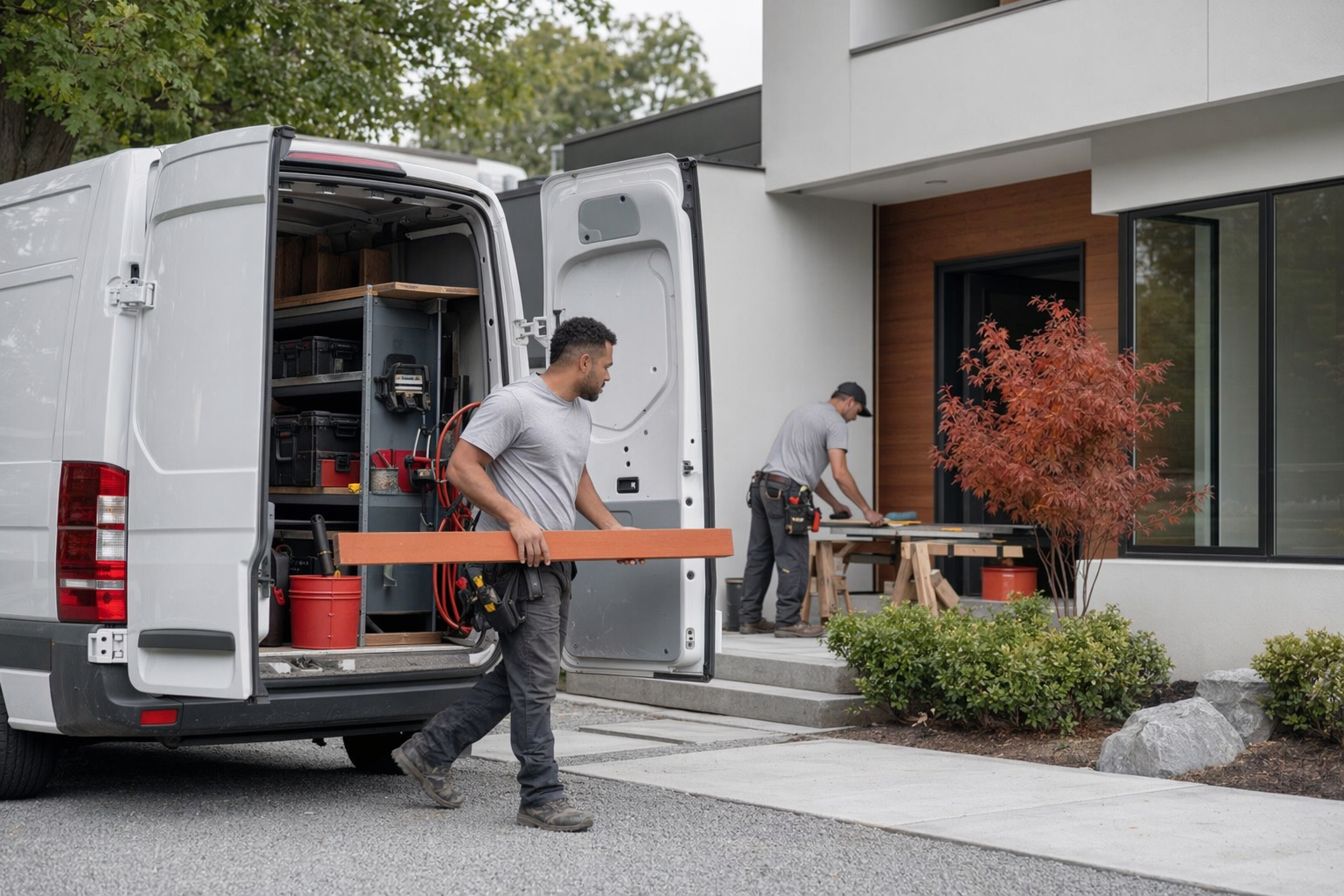
Design-build can make a remodel simpler because one company handles design and construction, but you still need to verify licenses and insurance, compare written scopes, and watch for vague contracts.
Common questions
Is design-build cheaper than hiring a designer and contractor separately?
Sometimes, but not always. Design-build can reduce coordination problems and change orders, while separate hiring can give you more freedom to compare bids; the real cost depends on scope, materials, your home, your city, and the companies involved.
Do I still need to compare quotes with design-build?
Yes. Even with design-build, compare detailed written scopes, materials, allowances, and contract terms — not just one total number.
Who pulls permits in a design-build remodel?
It depends on the company and the local rules. Ask who is responsible, get it in writing, and confirm permit requirements with your local building department.
Can I use my own designer and still hire a remodeling contractor later?
Yes, many homeowners do. Just make sure the plans are detailed enough for accurate pricing, and ask contractors what information they need to bid the job clearly.
What should I verify before hiring any remodeler?
Verify the contractor's license and insurance yourself, read the written contract carefully, and be cautious of cash-only deposits, no paperwork, pressure to sign fast, or requests for full payment up front.
What does Keystone Reno do?
Keystone Reno is a free matching service for homeowners. We are not a contractor, builder, or design firm, and we do not perform work; we help connect you with licensed, insured remodeling contractors near you.