How a remodel works
Working with a general contractor
A good general contractor can keep your remodel moving and your stress lower. A bad one can cost you months and thousands, so this is one of the most important hires you will make.

What a general contractor actually does
A general contractor, often called a GC, is the person or company that manages the whole remodeling job. They are usually your main point of contact. They schedule the work, bring in subcontractors like plumbers, electricians, drywall crews, and tile installers, order materials when that is part of the agreement, and help keep the project on track.
For many homeowners, the biggest value is coordination. In a kitchen, bathroom, addition, basement, or whole-home remodel, one delay can affect everything else. If cabinets arrive late, the countertop template gets pushed. If plumbing is not ready, drywall and tile may wait. A solid GC sees these problems early and keeps the job moving.
A GC should also explain the process in plain language, tell you what is included, tell you what is not included, and give you a written contract and payment schedule. Permit rules, inspections, and building codes vary by city and state, so always ask how they handle permits and who is responsible. This is general information only, not legal or construction advice.
- Main point of contact for the project
- Schedules trades and manages the job day to day
- Should provide a written scope, contract, and payment schedule

Why this stage matters so much
People often focus on finishes like tile, counters, paint colors, and fixtures. Those matter, but the person running the job matters more. Even beautiful materials will not save a badly managed remodel. Poor scheduling, unclear scope, weak communication, and sloppy subcontractor management are how projects go over budget and drag on.
A good GC helps you make decisions at the right time instead of all at once. They should tell you early about long-lead items, likely problem spots in an older home, and what could change the budget after walls are opened. They cannot promise there will never be surprises, but they should be honest about where surprises usually happen.
This matters even more if you are new to remodeling or new to the US. Terms, permits, inspections, and contracts may feel unfamiliar. A good contractor does not hide behind jargon. They explain the process clearly, answer questions, and put important details in writing.
- Good management often matters more than fancy materials
- Clear communication reduces expensive surprises
- Older homes often have hidden issues once work begins
What a good contractor does differently
A good GC is organized, realistic, and easy to reach. They do not tell you only what you want to hear. They tell you the truth about cost, timing, disruptions, and tradeoffs. If your budget does not match your wish list, they should say that early instead of lowballing the quote to win the job.
They should walk the space carefully, ask smart questions, and give you a written scope of work. That scope should spell out what is included, what materials or allowances are included if any, who handles permits, how change orders work, and a payment schedule tied to progress. They should also carry the license and insurance required where they work, and you should verify both yourself.
A strong GC also manages people well. Subcontractors show up when needed, the site is kept reasonably orderly, and problems are addressed instead of ignored. No remodel runs perfectly, but you should not feel like you are chasing the contractor every day just to get basic updates.
If you are comparing options, start with our remodeling services guide, look at common project types in projects, and review typical price ranges on costs. Those pages can help you ask better questions before you hire anyone.
What to watch out for
The biggest red flags are usually simple. Be careful with anyone who wants a large cash-only deposit, asks for full payment up front, will not give a written contract, cannot show a license, says permits are not needed without explaining why, or pressures you to sign today. Those are common ways homeowners get burned.
Also watch for vague quotes. If one bid is far lower than the others, there is usually a reason: missing items, cheap materials, unrealistic labor, or a plan to charge more later through change orders. Low bids can become expensive jobs.
Other warning signs include poor communication, missed appointments before the job even starts, and answers that keep changing. If a contractor is hard to reach when they are trying to win your business, that usually does not get better after you sign.
You stay in control. Compare written quotes, ask what is excluded, verify license and insurance yourself, and hold final payment until the work is done and you are satisfied. Keystone Reno is a free matching service, not a contractor, builder, or design firm. We do not perform work.
How a GC affects cost and timeline
Hiring a general contractor usually adds management cost compared with hiring every trade yourself, but for most larger remodels that cost buys coordination, accountability, and less risk of expensive mistakes. The real number depends on scope, materials, your home, your city, and the contractor. These are not quotes.
For many remodels, the total project budget is driven more by the work itself than by the label of who manages it. Kitchens often land around $30,000 to $80,000+, bathrooms around $15,000 to $40,000+, basements around $30,000 to $100,000+, and additions can go much higher. Layout changes, plumbing or electrical moves, structural work, custom materials, older homes, permit requirements, and city labor costs can all push the price up.
Timeline is also heavily affected by the GC. A well-run bathroom may take a few weeks of active construction, while kitchens often take several weeks to a few months, and additions or whole-home remodels can take much longer. Permit review, inspection scheduling, material lead times, weather, hidden damage, and change orders can all add time. No honest contractor should promise a guaranteed completion date before the work begins.
The best thing you can do is ask for a realistic schedule, not a perfect one. Ask what decisions you need to make early, what items have long lead times, and what situations usually cause delays on similar projects.
How to find and compare contractors
Start with at least two or three written quotes for the same scope. The goal is not just to find the lowest number. The goal is to understand who is being thorough, who explains the work clearly, and who seems realistic about cost and timing.
Ask each contractor the same basic questions:
- Are you licensed and insured for this type of work here?
- Who will manage my job day to day?
- What is included in this price, and what is excluded?
- Who handles permits and inspections?
- How do change orders work?
- What is the payment schedule?
- What timeline do you expect, and what could delay it?
Read the contract carefully before signing. If something matters to you, make sure it is written down. Verbal promises are easy to forget later. Keep your own file with the contract, payment receipts, selections, change orders, and messages.
If you want help finding contractors to speak with, get matched. Keystone Reno is free for homeowners. We only collect contact and project-intent details like your name, phone, email, project type, city or ZIP, timeline, and preferred language so we can connect you with participating contractors near you.
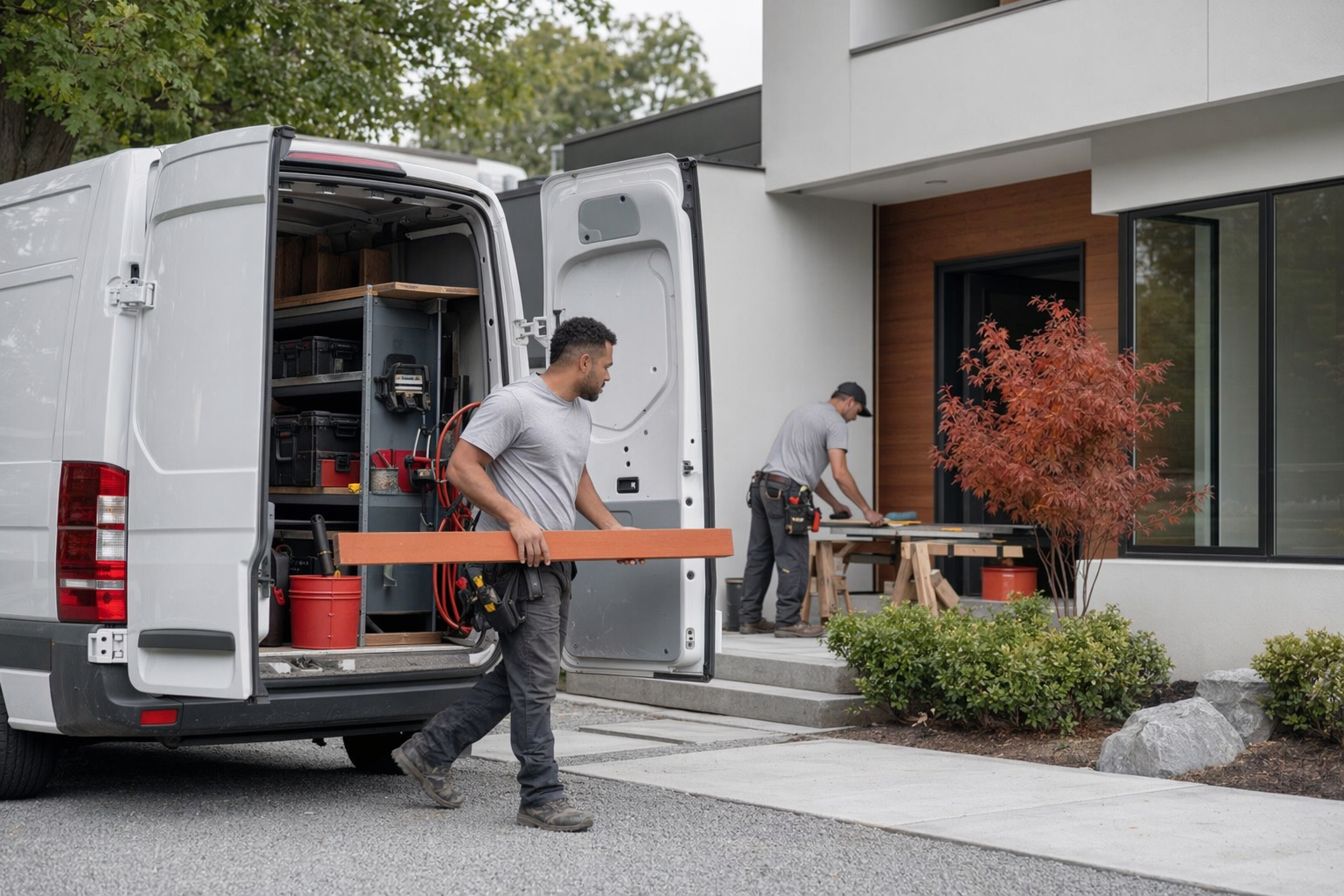
The contractor you hire to run the job can save your remodel or sink it, so choose the one who is licensed, insured, clear in writing, and honest about cost and timing.
Common questions
Do I need a general contractor for a remodel?
Not always for very small jobs, but many kitchen, bathroom, basement, addition, and whole-home remodels are easier to manage with a GC. The more trades, scheduling, permits, and moving parts involved, the more a good GC can help.
What is the difference between a general contractor and a subcontractor?
A general contractor manages the whole job. A subcontractor usually does one part of it, like plumbing, electrical, roofing, tile, or painting.
How much should I pay up front?
It depends on the job and local rules, but be careful with anyone asking for full payment up front or a large cash-only deposit. Make sure payments are tied to clear project milestones in a written contract.
Should my contractor handle permits?
Often yes, but it depends on the project and local rules. Ask who is responsible before you sign, and always follow local building department requirements.
Why are quotes for the same remodel so different?
Usually because the scope is not exactly the same, materials differ, allowances differ, or one quote is missing important work. Ask each contractor to explain what is included and excluded in writing.
Can Keystone Reno do the remodel for me?
No. Keystone Reno is a free matching service, not a contractor or remodeling company. We help homeowners connect with vetted, licensed, insured contractors, but you choose who to speak with and who to hire.