How a remodel works
Remodeling permits and inspections
Permits and inspections can feel like a hassle, but they often protect you from unsafe work, failed resale deals, and expensive tear-outs later. In many US cities, a kitchen, bath, addition, basement, or major system change will need them.

What permits and inspections are, in plain English
A permit is the city or county saying, "We know this work is happening, and it must meet local code." An inspection is the check during or after the job to see whether the work appears to follow those rules.
Not every small repair needs a permit. But many remodels do — especially if the job changes plumbing, electrical, walls, windows, HVAC, gas lines, square footage, or the layout of the home. Rules vary a lot by city and state, so always check local requirements.
This matters because unpermitted work can create real problems: stop-work orders, fines, insurance headaches, trouble when you sell, and the cost of opening finished walls so work can be inspected or redone.
Keystone Reno is a free matching service, not a contractor or design firm. We do not pull permits or perform work. We help homeowners connect with licensed, insured remodeling contractors, and you should verify the contractor's license and insurance yourself.

Why this stage matters more than most homeowners think
Permits are not just paperwork. For many remodels, they are one of the few outside checks that help catch unsafe or incomplete work before everything gets covered up.
For example, rough electrical, plumbing, framing, insulation, and mechanical work may be inspected before drywall goes in. If a problem is found early, fixing it is usually cheaper and easier than finding it after the room is finished.
Permits also create a paper trail. If you refinance, sell, or have an insurance claim later, having permitted work can make those conversations simpler. It does not guarantee perfect work, but it shows the project went through the local process.
A good contractor will explain what likely needs permits, what inspections are expected, and how this stage affects the schedule. If you want help finding pros who handle this clearly, you can start with our remodeling services or get matched.
- Permits help protect safety and resale value
- Inspections can catch problems before walls are closed
Who should pull the permit
In most cases, the contractor doing the work should pull the permit in their own business name, not ask you to do it for them unless there is a clear local reason. That helps show who is responsible for the permitted work and whether they are properly licensed for it.
If a contractor says, "You pull it as the homeowner, it's easier," slow down and ask why. In some places there are legitimate exceptions, but homeowners can accidentally take on more responsibility than they realize. Local rules differ, so check with your building department.
Ask to see the permit application, the permit card or online permit record, and the contractor license information tied to it. Make sure the scope matches your job. If the permit says "replace cabinets" but your project also includes moving plumbing and electrical, ask questions.
General information only: permit rules, homeowner permits, and required trades vary by city and state. When in doubt, talk to your local building department and hire licensed, insured contractors.
What a good contractor does differently
A good remodeler does not act annoyed when you ask about permits. They explain the process in plain words: what needs approval, who is responsible for submitting plans if needed, when inspections usually happen, and what could slow the schedule.
They also build permit time into the job instead of pretending the work can start tomorrow. In many areas, permit review can take days or weeks, and inspections may not happen the same day they are requested. Honest planning here prevents a lot of frustration later.
You should expect a written contract that spells out the scope, payment schedule, change-order process, and who handles permits and inspections. You should also expect proof of license and insurance, and you should verify both yourself.
Good contractors usually welcome written questions like:
1. What permits do you expect this project to need?
2. Who will pull them?
3. What inspections are likely?
4. How long could approval take in my city?
5. What happens if the inspector requires changes?
Red flags to watch for
This is one of the easiest places for homeowners to get burned. If someone says permits are "not necessary" for major work without explaining local rules, that is a warning sign. So is hearing, "We do it this way all the time, don't worry about the city."
Other red flags are easier to spot: no written contract, no license, no insurance proof, pressure to "sign today," asking for full payment up front, or asking for a large cash-only deposit. Those are common signs of a bad situation.
Watch for vague language too. If a quote says "permits if needed" with no detail, ask what that means. If permit fees are excluded, ask for a realistic allowance. If they say inspections are your problem, ask why.
The homeowner stays in control. Compare written quotes, read the permit section carefully, and hold final payment until the work is done and you are satisfied.
What permits and inspections usually cost — and how they affect timeline
Permit costs vary widely by city, project type, and job value. A small permit for limited plumbing or electrical work might be a few hundred dollars. A bigger remodel, addition, or project involving multiple trades can run from roughly $500 to $3,000+, and some places can be higher. These are general ranges, not quotes.
The real number depends on scope, plans, valuation, the home, the city, and the contractor. If the project needs drawings, engineering, zoning review, special approvals, or repeat inspections, the total can go up. In some cities, separate permits may be needed for building, electrical, plumbing, and mechanical work.
Permits also affect timeline. Simple approvals may come quickly, while more involved remodels can wait days, weeks, or longer for review, revisions, and inspection scheduling. If the inspector finds corrections, that can add more time.
One honest truth: skipping permits may look cheaper at first, but it can become far more expensive if the city stops the job or requires finished work to be opened and redone. For broader budget context, see remodel cost guides and project guides.
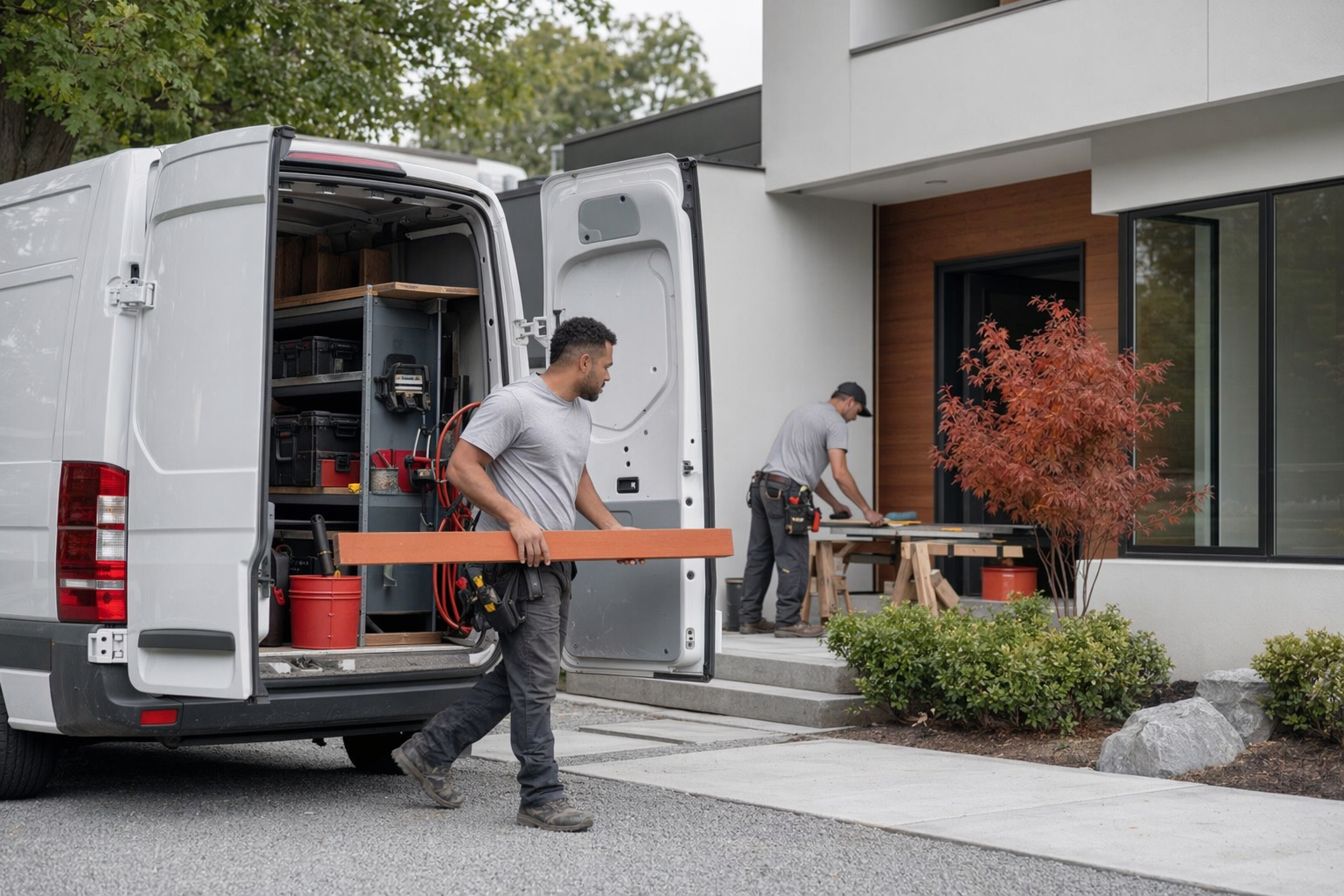
Permits and inspections may slow a remodel, but for many jobs they protect you from unsafe work, resale trouble, and costly surprises later.
Common questions
Do I need a permit for a kitchen or bathroom remodel?
Often yes, especially if you are moving plumbing, changing electrical, altering walls, or changing ventilation. Pure cosmetic updates may be different, but rules vary by city and state, so check locally.
Can my contractor do the work without a permit if it is faster?
That is a major risk. Unpermitted work can lead to fines, failed inspections later, resale problems, and expensive rework. Always ask what permits are required and verify the answer.
Should I pull the permit myself as the homeowner?
Usually the contractor doing the work should pull it in their business name, but local rules vary. If someone wants you to pull it instead, ask why and confirm with your building department before agreeing.
How do I verify that a permit was actually pulled?
Ask for the permit number, permit card, or online record from the city or county. Check that the contractor name, address, and scope match your project.
Will an inspection guarantee the work is perfect?
No. Inspections are an important check, but they are not a full guarantee of quality. You still need a licensed, insured contractor, a clear contract, and your own careful review.
What does Keystone Reno do here?
Keystone Reno is a free matching service for homeowners. We do not perform work or pull permits. We help you connect with licensed, insured remodeling contractors near you, and you choose who to hire.