How a remodel works
Managing the project and the final walkthrough
Good project management is what keeps a remodel from drifting, getting more expensive, or ending in a fight. The final walkthrough matters just as much, because it is your last real chance to catch problems before final payment.

What project management means in a remodel
Once permits are moving and work starts, somebody has to keep the job organized day by day. That usually means scheduling crews, ordering materials, tracking what is done, handling inspections, documenting changes, and making sure the homeowner knows what is happening next.
On a well-run project, you should know who your main contact is, what work is happening this week, and what decisions you need to make. If cabinets are delayed, tile is out of stock, or hidden damage is found, a good contractor tells you early and explains the impact on cost and timeline in writing.
This matters because many remodel problems are not caused by one big mistake. They come from small misses that pile up: wrong measurements, late material orders, unclear change requests, or no written record of what was agreed. Good project management reduces those surprises. It does not remove every problem, but it gives you a clear way to handle them.
Keystone Reno is a free matching service, not a contractor or design firm. We do not manage jobs or perform work. We help homeowners connect with licensed, insured remodeling contractors near them, and you should always verify license and insurance yourself.
What a good contractor does differently
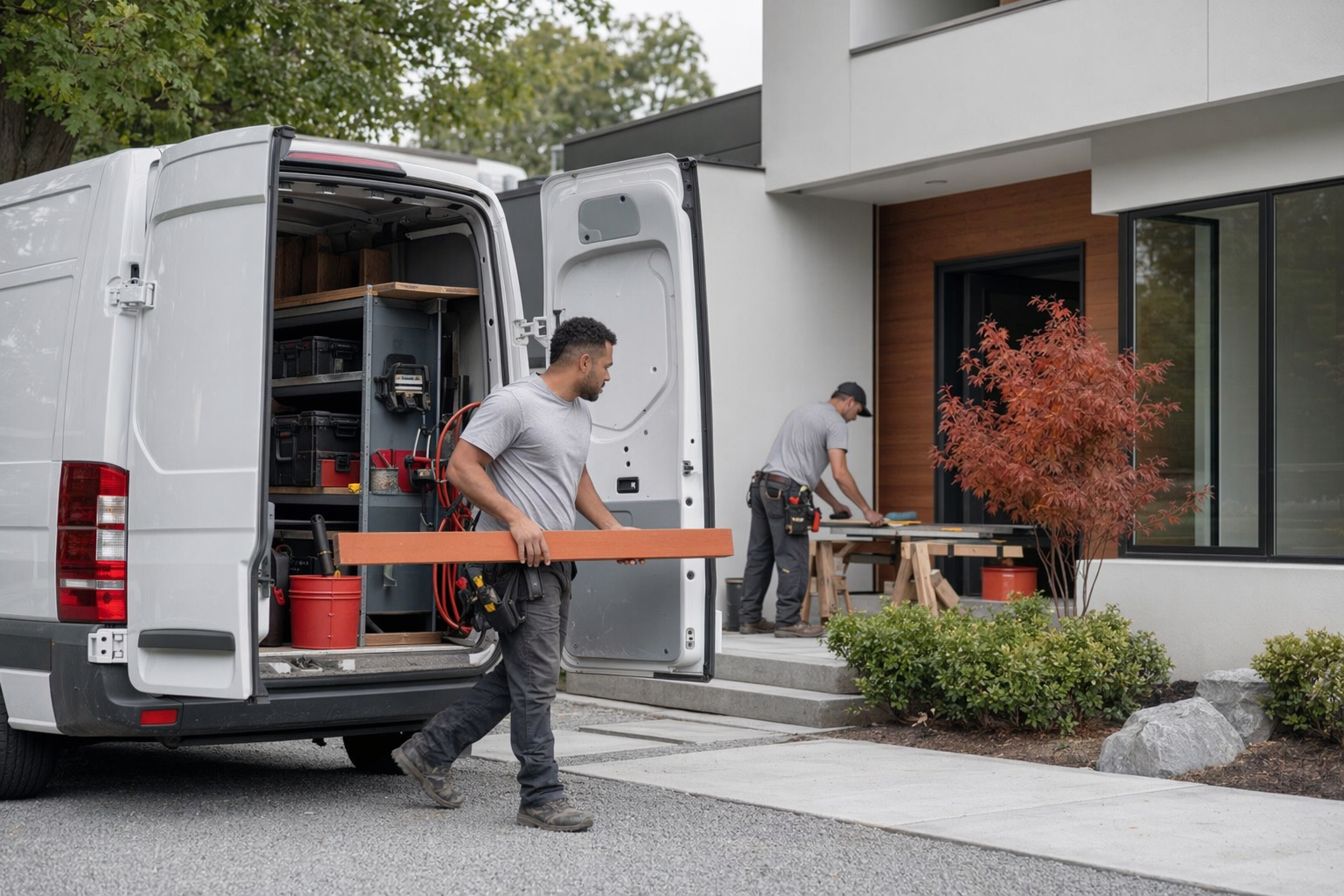
A solid contractor does more than send workers to your house. They set expectations clearly, put the scope in writing, explain allowances and exclusions, and keep the job moving in a logical order. They also tell you when something is uncertain instead of guessing.
Good project management usually includes:
1. A written contract with scope, payment schedule, and basic process for changes.
2. A clear main contact for questions.
3. A rough schedule with major milestones, even if exact dates may shift.
4. Written change orders before extra work is done.
5. Regular updates about delays, inspections, deliveries, and next steps.
6. A punch list process near the end so small unfinished items get tracked.
A good contractor also prepares you for the messy middle. Most remodels have noise, dust, limited access, scheduling shifts, and decisions that must be made quickly. Honest contractors do not promise a perfect, stress-free process. They explain how they will communicate and solve problems when things change.
How this stage affects cost and timeline
Project management is built into the price of a remodel, even if it is not listed as a separate line item. On many mid-size to large jobs, management and supervision can account for roughly 10% to 20% of the overall project cost. On smaller jobs, the number may be folded into labor and overhead. These are general ranges, not quotes.
The real cost depends on scope, materials, your home, your city, permit requirements, and the contractor. A kitchen, bathroom, addition, basement, or whole-home remodel all have different levels of coordination. Older homes usually need more management because there are more surprises behind walls, more inspection issues, and more coordination between trades.
Good management can save money indirectly by reducing rework, material delays, and confusion. Poor management often costs more in the end. A low bid can become expensive fast if the schedule slips, materials arrive late, or "extras" keep appearing that were never clearly discussed.
Timeline is affected the same way. No contractor can honestly guarantee an exact finish date because weather, inspections, product lead times, hidden damage, and city rules can change the plan. But a well-managed job usually has fewer avoidable delays. If you want a sense of overall remodeling budgets, see cost guides and examples of project types.
Change orders, punch lists, and the final walkthrough
Two parts of the process cause a lot of homeowner frustration: change orders during the job and the final walkthrough at the end. A change order is a written update to the original scope. It should say what is changing, what it costs, and whether it affects the timeline. If a contractor does extra work without written approval, that can lead to disputes later.
The punch list is the short list of incomplete or unsatisfactory items near the end of the job. Think paint touch-ups, missing hardware, a door that rubs, grout cleanup, trim gaps, or a cabinet adjustment. These items are common. What matters is whether they are documented clearly and completed in a reasonable way.
During the final walkthrough, go room by room and test what you can. Open and close doors and drawers. Run faucets. Check lights, switches, outlets, and fans. Look at caulk lines, paint finish, tile alignment, flooring transitions, and cleanup. If something was promised in the contract, plans, or written change orders, confirm that it is actually there.
This is also the time to ask for any manuals, warranty information, care instructions, and a record of what subcontractors or suppliers were used if your contractor provides that. Keep everything in one folder: contract, payment records, emails, change orders, permits, inspection paperwork, and the final punch list.
Red flags that often show up at the finish line
A lot of remodel trouble appears near the end, when the job is almost done and money is still owed. Watch for pressure, vague answers, or sudden changes in payment demands. Your leverage is usually strongest before final payment, so do not rush this step.
Common red flags:
- Asking for full payment before punch-list items are finished.
- No written contract or no written record of changes.
- Large cash-only deposits or repeated requests for cash.
- Pressure to "sign today" or stop asking questions.
- No license, expired insurance, or refusal to share information so you can verify it.
- Big surprise charges that were never approved in writing.
The homeowner should stay in control. Compare written quotes before hiring, choose who to hire, and hold the final payment until the work is done and you are satisfied under your contract terms. Rules about payments, permits, and contract enforcement vary by state and city, so for specific requirements, check your local building department and use licensed professionals.
How to protect yourself before and during the job
The easiest way to protect yourself at the end is to set up the job correctly at the beginning. Before work starts, make sure you understand the scope, the allowance items, the payment schedule, who is supervising the job, and how changes will be approved. If something matters to you, get it in writing.
You do not need to be a remodeling expert. You just need a simple system:
1. Keep all documents in one place.
2. Ask questions early, not after work is complete.
3. Confirm changes in writing before the work happens.
4. Take date-stamped photos as the job progresses.
5. Walk the project regularly with the contractor, not only at the end.
6. Make a written punch list before final payment.
If you are still looking for help, start with our remodeling services hub or get matched with licensed, insured contractors near you. Keystone Reno is free for homeowners. We only collect basic contact and project intent details like your name, phone, email, project type, city or ZIP, timeline, and preferred language so we can help connect you with contractors.
A remodel goes better when the schedule, changes, and final punch list are handled in writing, and you should not rush final payment before the job is truly done.
Common questions
What is a final walkthrough in a remodel?
It is the last detailed review of the finished job before final payment. You and the contractor check the work, note any incomplete or unsatisfactory items, and create a punch list if needed.
Should I pay the final payment before everything is fixed?
In general, homeowners usually want punch-list items addressed before releasing final payment under the contract terms. Exact rules vary by state and city, so review your contract and local requirements carefully.
What is a change order and why does it matter?
A change order is a written update to the original job scope. It matters because it shows what changed, what it costs, and whether the timeline changes too, which helps prevent disputes.
How much does project management add to remodeling cost?
On many mid-size to large remodels, management and supervision may account for about 10% to 20% of the total project cost, though it is often folded into the overall price. The real number depends on scope, materials, the home, the city, and the contractor, and these ranges are not quotes.
What are the biggest red flags during the end of a remodel?
Big ones include asking for full payment up front, no written contract, cash-only demands, no license or insurance, pressure to sign quickly, and extra charges that were never approved in writing. Always hire licensed, insured contractors and verify both yourself.
Can Keystone Reno manage my remodel or inspect the finished work?
No. Keystone Reno is a free matching service, not a contractor, remodeler, builder, or inspector. We help you connect with licensed, insured contractors near you, but we do not perform work or manage projects.