How a remodel works
The construction phase of a remodel
The build phase is where your remodel gets real: demolition, framing, rough plumbing and electrical, inspections, drywall, trim, and finish work. A well-run build protects your home, your budget, and your sanity; a sloppy one creates delays, change orders, and expensive fixes.

What the construction phase actually includes
After planning, drawings, and permits are handled, the construction phase is the part most homeowners think of as "the remodel." Depending on the project, it can include demolition, framing, moving walls, plumbing, electrical, HVAC work, insulation, drywall, tile, cabinets, flooring, painting, and final fixtures.
Most jobs move in a rough order: protect the home, demo, do structural or framing work if needed, complete rough plumbing/electrical/HVAC, get required inspections, close walls, then install finishes. Kitchens, bathrooms, basements, additions, and whole-home remodels all follow this general pattern, but the exact order depends on the home, the city, and the scope.
This stage matters because mistakes here are expensive to fix later. Crooked framing can affect cabinets and tile. Bad scheduling can leave your home torn apart longer than necessary. Poor communication can turn small decisions into costly delays.
- Every city and state can have different permit and inspection rules.
- The exact steps depend on your project, home condition, materials, and contractor.
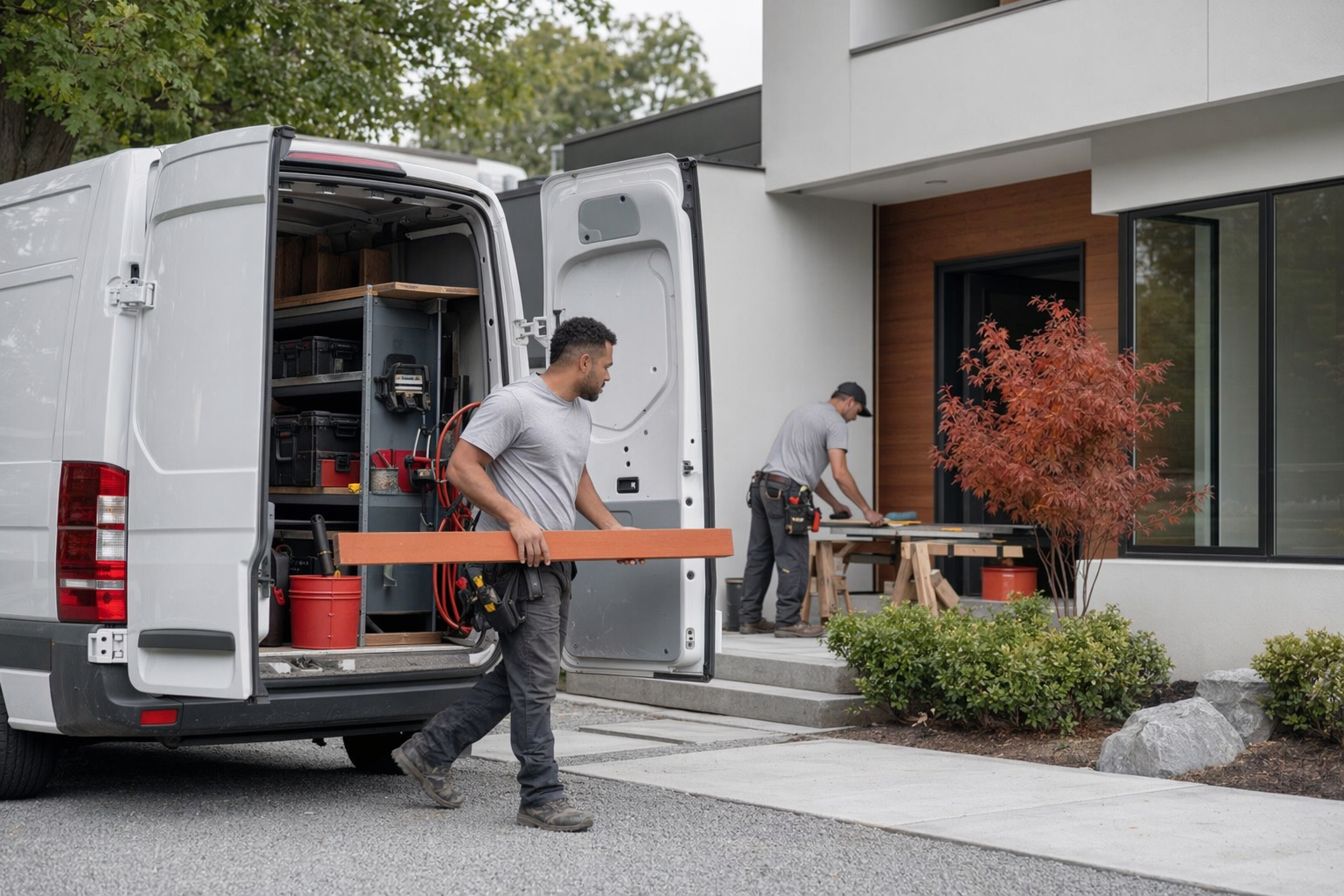
What a well-run job site looks like
A good contractor does more than "send workers." They manage sequence, inspections, materials, trade schedules, cleanup, and communication. You should know who your main point of contact is, how often you will get updates, and what happens if something unexpected is found behind walls or under floors.
On a solid job site, floors and pathways are protected, dust is controlled as much as practical, tools and materials are organized, and the crew is not guessing about the plan. Work should match the written scope, and any changes should be discussed and priced in writing before extra work starts whenever possible.
A good contractor also tells you the truth early. If a special-order cabinet is delayed, if an inspection needs to be rescheduled, or if old plumbing needs replacement, you should hear that clearly instead of finding out after the schedule slips.
Keystone Reno is a free matching service, not a contractor or design firm. We do not perform the work. We help homeowners connect with licensed, insured remodeling contractors near them, and you should always verify the contractor's license and insurance yourself.
How cost changes during the build
The construction phase is where a remodel budget can move up fast. For many projects, labor is a large share of the total cost, and prices can rise if the crew uncovers water damage, old wiring, plumbing problems, uneven floors, code issues, or structural problems once walls are opened. Material choices also matter a lot: stock vs. custom cabinets, basic tile vs. handmade tile, standard fixtures vs. luxury brands.
As a very general range, labor and build execution often make up a major portion of the total remodel cost. A bathroom remodel may land around $15,000 to $40,000+, a kitchen around $30,000 to $80,000+, a basement around $30,000 to $100,000+, and additions can climb much higher depending on size and complexity. These are broad US ranges, not quotes. The real number depends on scope, materials, the home, the city, permit requirements, and the contractor.
One of the biggest cost drivers is change during construction. Moving plumbing after rough-in, changing tile after ordering, adding lighting, or deciding mid-job to upgrade finishes can increase both price and timeline. That does not mean you can never change your mind. It means changes should be handled carefully, in writing, with a clear cost and schedule effect.
If you want a better sense of typical budgets, see general remodel cost ranges.
How timeline really works during a remodel
Homeowners often hear one number for a timeline, but real projects move in stages. There is the work time itself, plus ordering time, inspection timing, subcontractor scheduling, and the normal surprises that come with opening up an existing home. A simple bathroom may take weeks; a kitchen may take longer; a whole-home remodel or addition can take months.
The biggest timeline killers are usually not people "working slowly." They are waiting on permits or inspections, long-lead materials, hidden conditions, and poor scheduling between trades. For example, drywall cannot happen until rough plumbing and electrical are done and approved where required. Cabinets cannot always be installed if floors or walls are not ready.
Ask the contractor for a plain schedule with milestones, not just a final end date. You want to know when demo starts, when rough work happens, when inspections are expected, when finishes go in, and what decisions you must make by certain dates to avoid delays.
No one can honestly guarantee a timeline. Weather, city inspections, product delays, and hidden issues can all affect the schedule.
Red flags during the build
Some problems show up before work starts, and some show up during the build. Take these seriously: large cash-only deposit requests, no written contract, no license, pressure to "sign today," asking for full payment up front, workers showing up with no clear plan, repeated surprise charges with no written change order, and long stretches where nobody comes to the job with no explanation.
Another red flag is poor communication around permits and inspections. If your contractor tells you a permit is "not needed" for work that obviously moves plumbing, electrical, walls, or major systems, ask more questions and check with your local building department. Rules vary by city and state, so do not assume.
You should also be cautious if the contractor discourages you from verifying insurance or license status. Always verify both yourself. General information online can help, but your local building department and state or city licensing resources are the right places to confirm current requirements.
The homeowner stays in control. Compare written quotes, choose who to hire, and hold final payment until the work is done and you are satisfied under your contract terms.
How to stay informed without getting overwhelmed
The best remodels are not the ones with zero surprises. They are the ones where surprises are handled clearly. Ask for a weekly update in plain language: what was completed, what is next, what decisions are needed from you, whether the budget changed, and whether the timeline changed.
It also helps to keep one simple folder with your contract, scope, selections, change orders, invoices, permit information, and photos of progress. That way, if there is confusion about what was agreed to, you are not relying on memory or text messages alone.
If you are early in the process, explore remodeling services or browse common project types. If you want help finding contractors, get matched here. Keystone Reno is free for homeowners. We only collect contact and project-intent details like your name, phone, email, project type, city or ZIP, timeline, and preferred language so we can help connect you with participating contractors.
This page is general information only, not construction, engineering, legal, or financial advice. For project-specific guidance, always talk to licensed, insured contractors and check local code and permit rules.
A good build phase is organized, inspected, and clearly communicated; a bad one is where costs jump, timelines slide, and homeowners get burned.
Common questions
What happens first in the construction phase of a remodel?
Usually the home is protected first, then demolition starts, followed by framing or rough work like plumbing, electrical, and HVAC as needed. After required inspections, walls are closed and finish materials are installed.
Why do remodels take longer than expected?
Common reasons are permit or inspection timing, material delays, hidden damage behind walls, and changes made after work starts. The age and condition of the home also matter.
How do I know if a contractor is managing the build well?
You should see a clear schedule, regular updates, a clean and reasonably organized site, written change orders, and honest communication about delays or added work. You should also verify the contractor is licensed and insured yourself.
Can construction costs go up after the job starts?
Yes. Opening walls can reveal plumbing, electrical, water, framing, or code issues that were not visible before. Changes in materials or scope can also raise the cost.
Should I pay the full amount before the remodel is finished?
No. Be very cautious with anyone asking for full payment up front. Payment should follow the written contract, and homeowners should hold final payment until the work is done and they are satisfied under the contract terms.
Does Keystone Reno do the remodeling work?
No. Keystone Reno is a free matching service, not a contractor, licensed remodeler, builder, or design firm. We help homeowners connect with licensed, insured remodeling contractors near them.